
Stop Losing Money on Energy Bills: How Commercial Solar Protects California Businesses From Rising Utility Rates
The Hidden Cost of Utility Dependence
Most business owners understand that electricity bills fluctuate, but few realize just how vulnerable complete grid dependence makes their operations. California's commercial electricity rates include multiple cost components: baseline energy charges, time-of-use rates, and demand charges. This last category: demand charges: often catches business owners off guard, accounting for 30% to 70% of a commercial customer's entire electricity bill.
Demand charges are calculated based on your facility's peak electricity usage during the billing period, typically measured in 15-minute intervals. A single spike in consumption can drive costs up dramatically, and you'll pay for that capacity whether you use it consistently or not. For businesses with variable energy needs, this structure creates unpredictable expenses that are difficult to budget and nearly impossible to control through conventional means.
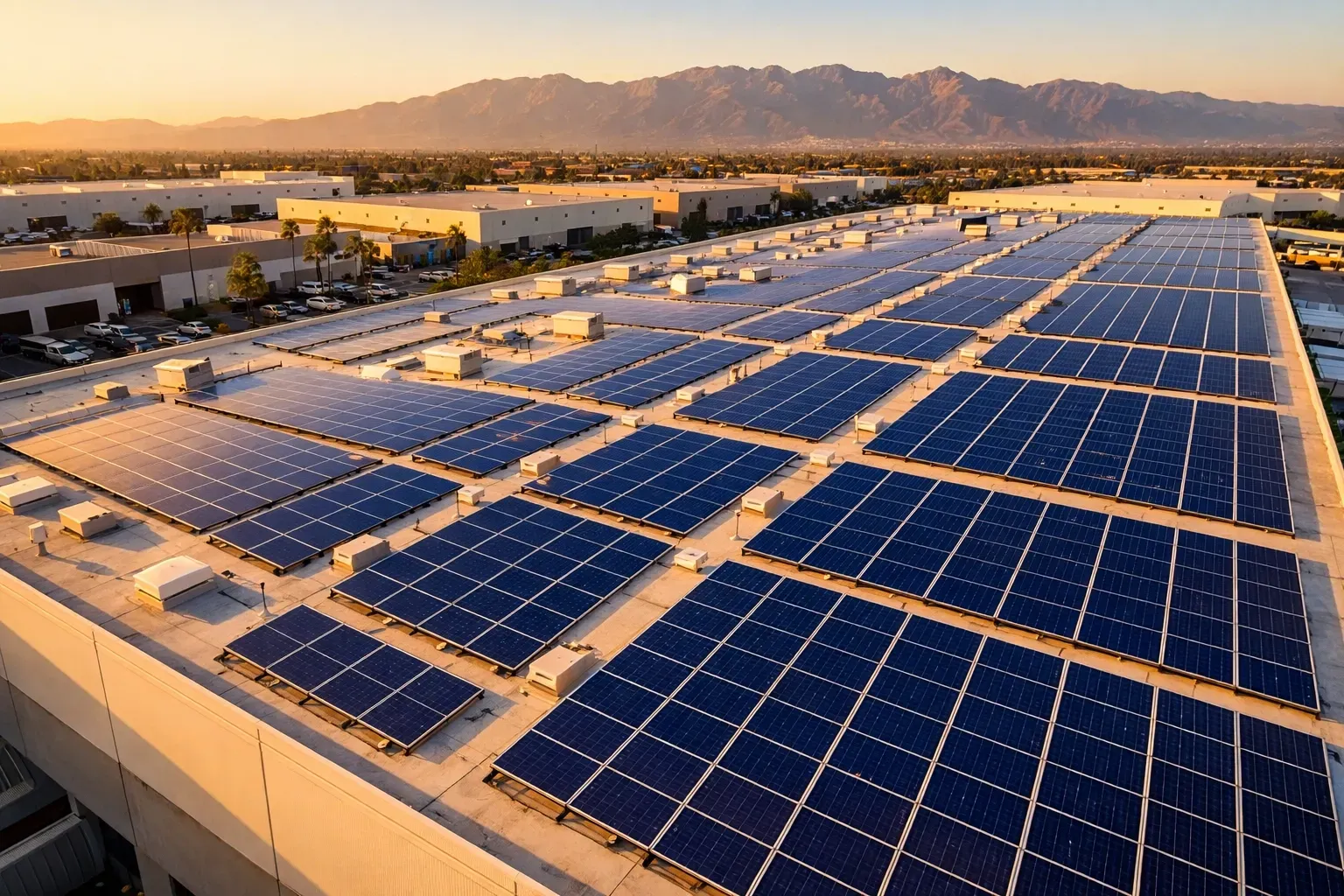
Furthermore, California utilities continue seeking rate increases to cover infrastructure upgrades, wildfire mitigation costs, and grid modernization programs. These expenses get passed directly to commercial customers, creating a compounding effect where your baseline costs rise year after year regardless of your actual energy consumption patterns. Over time, this dependency erodes profitability and limits your ability to allocate capital toward growth initiatives.
How Commercial Solar Ownership Creates Financial Independence
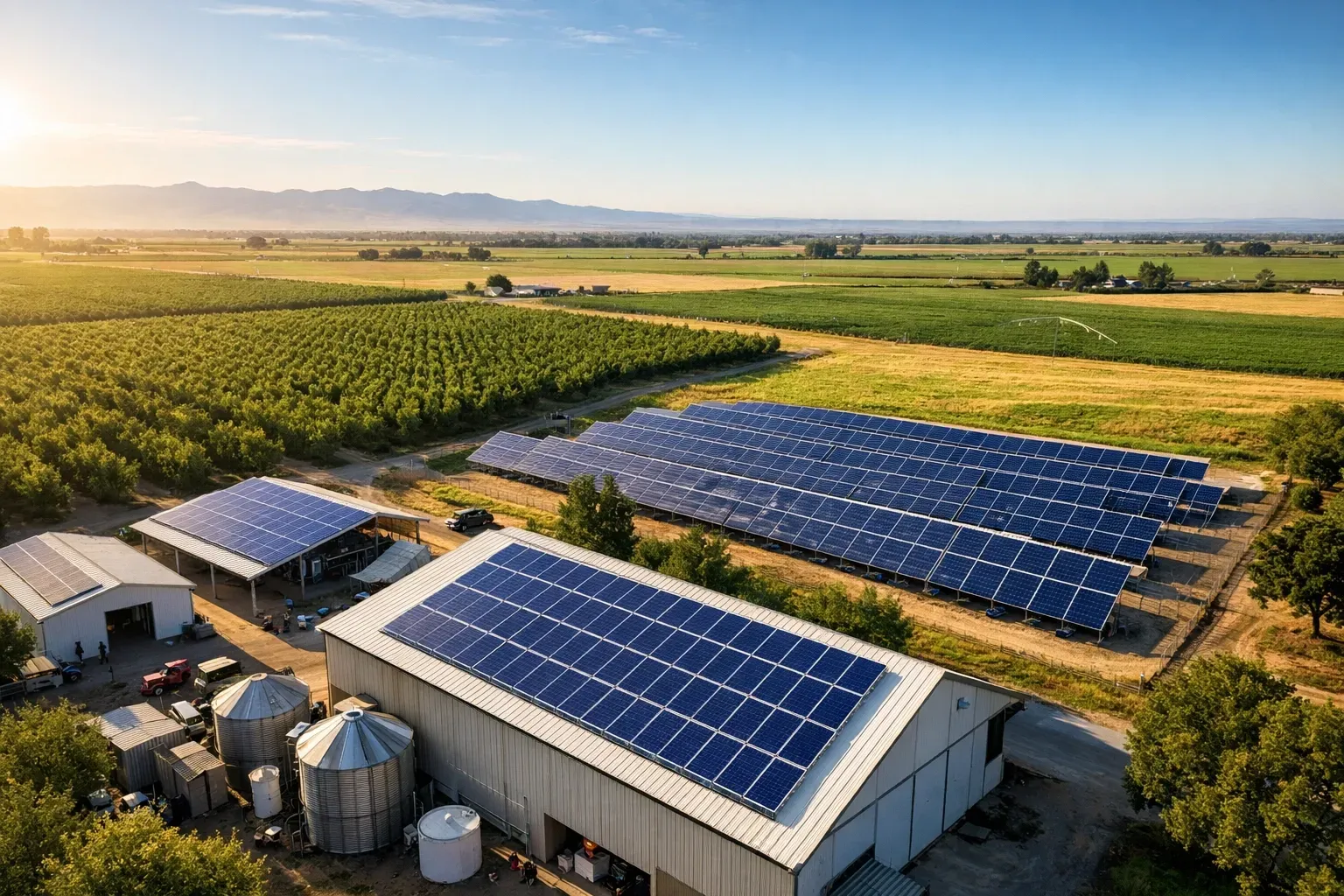
Commercial solar systems fundamentally change the economic equation by generating electricity on-site that your business consumes directly. Rather than purchasing 100% of your power from the utility at ever-increasing rates, you produce a significant portion: often 50% to 90%: from your own solar array. This self-generated power costs nothing beyond your initial investment and ongoing minimal maintenance.
The protection starts immediately. When your solar panels produce electricity during daylight hours, that power offsets grid consumption on a kilowatt-for-kilowatt basis. Every kilowatt-hour your system generates is one less kilowatt-hour you purchase from the utility at their commercial rate. As utility rates increase over time, the value of your solar-generated electricity increases proportionally, creating a natural hedge against inflation and rate volatility.
This model transforms electricity from an unpredictable operating expense into a controlled, predictable cost. You know exactly what your solar system costs over its 25 to 35-year operational lifespan, allowing you to calculate your Levelized Cost of Energy (LCOE): essentially, your fixed price per kilowatt-hour over the system's lifetime. This figure remains stable regardless of what happens in the broader energy market, providing the kind of cost certainty that facilitates long-term business planning.
Maximizing Protection with Solar Plus Storage
While solar panels alone provide substantial savings, pairing your system with battery storage takes cost reduction to another level. Battery systems allow you to store excess solar generation for use during peak demand periods or when your panels aren't producing. This capability is particularly valuable for managing those expensive demand charges that plague many California businesses.
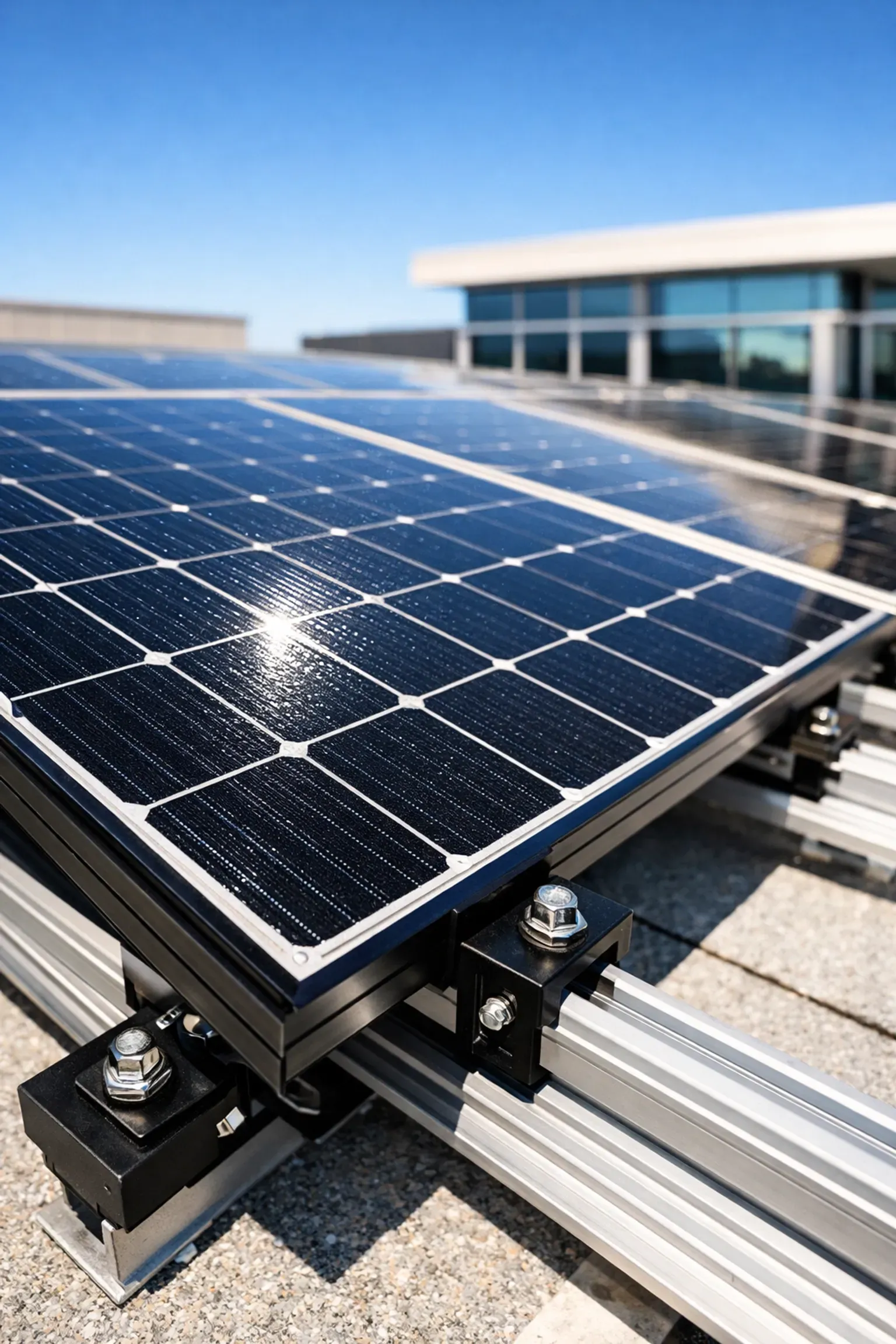
Equally important, our systems come backed by comprehensive 25-year warranties covering both equipment and performance. This warranty structure protects your investment by guaranteeing that your solar array will continue producing at specified efficiency levels for a quarter-century. Should any component fail or underperform, you're protected: ensuring that your projected savings materialize as expected without unexpected repair or replacement costs.
The distinction between quality equipment and budget alternatives becomes evident over time. While initial costs may vary, the true measure is cumulative production over decades. Premium systems maintain 85% to 90% of their original efficiency after 25 years, while lower-grade panels may degrade significantly faster. When you're calculating returns over multiple decades, this performance difference translates to hundreds of thousands of dollars in additional savings.
Federal Tax Benefits Amplify Your Investment
The federal Investment Tax Credit (ITC), expanded through the Inflation Reduction Act, allows businesses to deduct 30% of their total solar system cost from their federal tax liability. For a commercial solar installation, this represents a substantial immediate return that dramatically improves project economics and accelerates payback timelines.
This tax credit applies to the complete installed cost of your system, including panels, inverters, mounting hardware, batteries, and installation labor. If your business invests $500,000 in a commercial solar system, you receive a $150,000 federal tax credit. This immediate benefit effectively reduces your net investment by nearly one-third, making the financial case for solar ownership even more compelling.
Furthermore, commercial solar systems qualify for accelerated depreciation under the Modified Accelerated Cost Recovery System (MACRS), allowing you to depreciate 85% of the system's cost over five years. This depreciation schedule provides additional tax benefits that further enhance your return on investment and shorten payback periods.
When you combine the 30% federal tax credit with accelerated depreciation and ongoing utility bill savings, the financial picture becomes clear. Most commercial solar systems in California achieve payback within 4 to 7 years, then continue generating free electricity for two decades or more. Over the system's lifetime, businesses typically see cumulative savings ranging from hundreds of thousands to millions of dollars, depending on system size and energy consumption patterns.
Strategic Implementation for Maximum Returns
Successful commercial solar deployment begins with detailed energy analysis. Understanding your facility's consumption patterns, demand charge structure, and operational requirements allows for precise system sizing that maximizes economic returns. This assessment identifies optimal solar array capacity, determines whether battery storage adds sufficient value to justify inclusion, and projects realistic savings based on your specific utility rate structure.
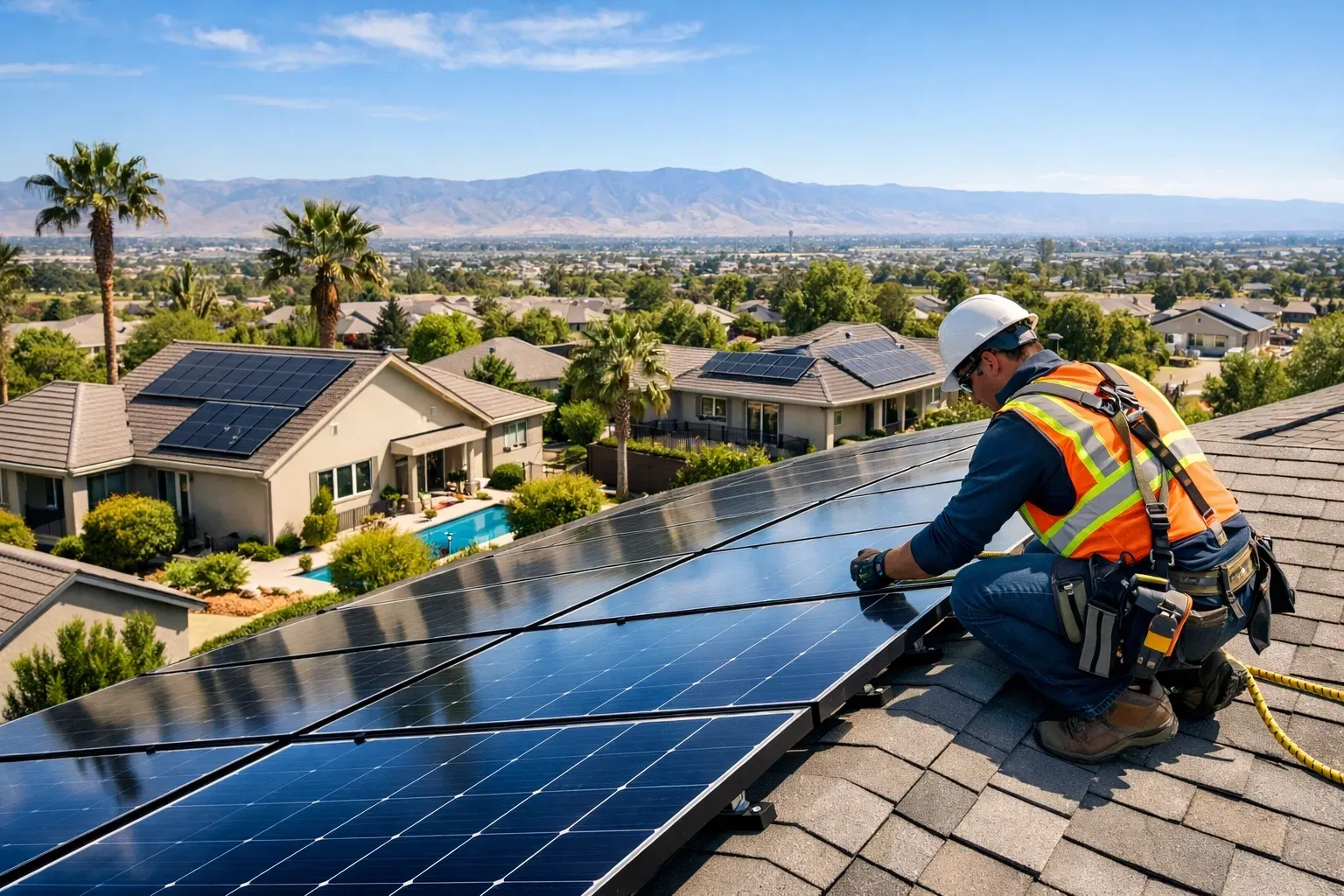
Professional installation ensures your system performs as designed from day one. Proper mounting, electrical integration, and inverter setup directly impact both immediate performance and long-term reliability. Certified installers understand California's permitting requirements, utility interconnection procedures, and safety protocols that protect both your investment and your facility.
Beyond installation, system monitoring provides ongoing visibility into performance metrics, allowing you to verify that savings materialize as projected. Modern commercial solar systems include comprehensive monitoring platforms that track production, consumption, and grid interaction in real-time, ensuring any performance issues get addressed immediately before they impact your bottom line.
Building Long-Term Business Value
Commercial solar ownership creates value that extends beyond monthly utility savings. Solar-equipped properties command premium valuations in real estate markets because prospective buyers and tenants recognize the competitive advantage of reduced operating costs. Energy independence becomes a marketable asset that differentiates your facility from comparable properties with conventional utility dependence.
This value creation is particularly relevant for businesses planning future growth, relocation, or eventual sale. A facility with a fully-paid solar system and two decades of remaining useful life represents a measurable competitive advantage. Buyers can quantify the value of guaranteed low energy costs, making your property more attractive and potentially commanding higher sale prices or lease rates.
Additionally, corporate sustainability initiatives increasingly influence customer purchasing decisions and employee recruitment. Businesses that demonstrate genuine environmental commitment through substantial investments in renewable energy benefit from enhanced brand reputation and differentiated market positioning. Solar ownership provides tangible evidence of environmental responsibility that resonates with stakeholders across your business ecosystem.
Take Control of Your Energy Costs Today
Rising utility rates will continue impacting California businesses regardless of economic conditions or policy changes. The question is whether your operation will remain vulnerable to these increases or take proactive steps to protect your financial position through solar ownership.
Commercial solar systems with USA-manufactured equipment, comprehensive warranties, and strategic battery integration provide proven protection against utility rate volatility while delivering measurable returns for decades. The combination of 30% federal tax credits, accelerated depreciation, and substantial ongoing savings creates compelling economics that improve your competitive position immediately and over the long term.
Ready to stop losing money on rising energy bills? Solar Savings Direct, Inc specializes in commercial solar installations designed to maximize savings and provide reliable performance for California businesses. Request a quote today to discover how much your business can save with a customized solar solution.


Share On: