Bakersfield Solar FAQ: Everything You Need to Know About Local Permits, ROI, and NEM 3.0
Do I Need a Permit for Solar in Bakersfield?
Yes, all residential solar installations in Bakersfield and Kern County require a building permit. The permitting process ensures your system meets local safety codes, structural requirements, and electrical standards. For most residential systems of 10 kW or less, the process is straightforward and streamlined.
Systems under 10 kW don't require separate planning review or fire department approval, which significantly accelerates the timeline. Kern County also participates in SolarAPP+, an automated online tool that performs instant compliance checks and can approve qualifying systems immediately.
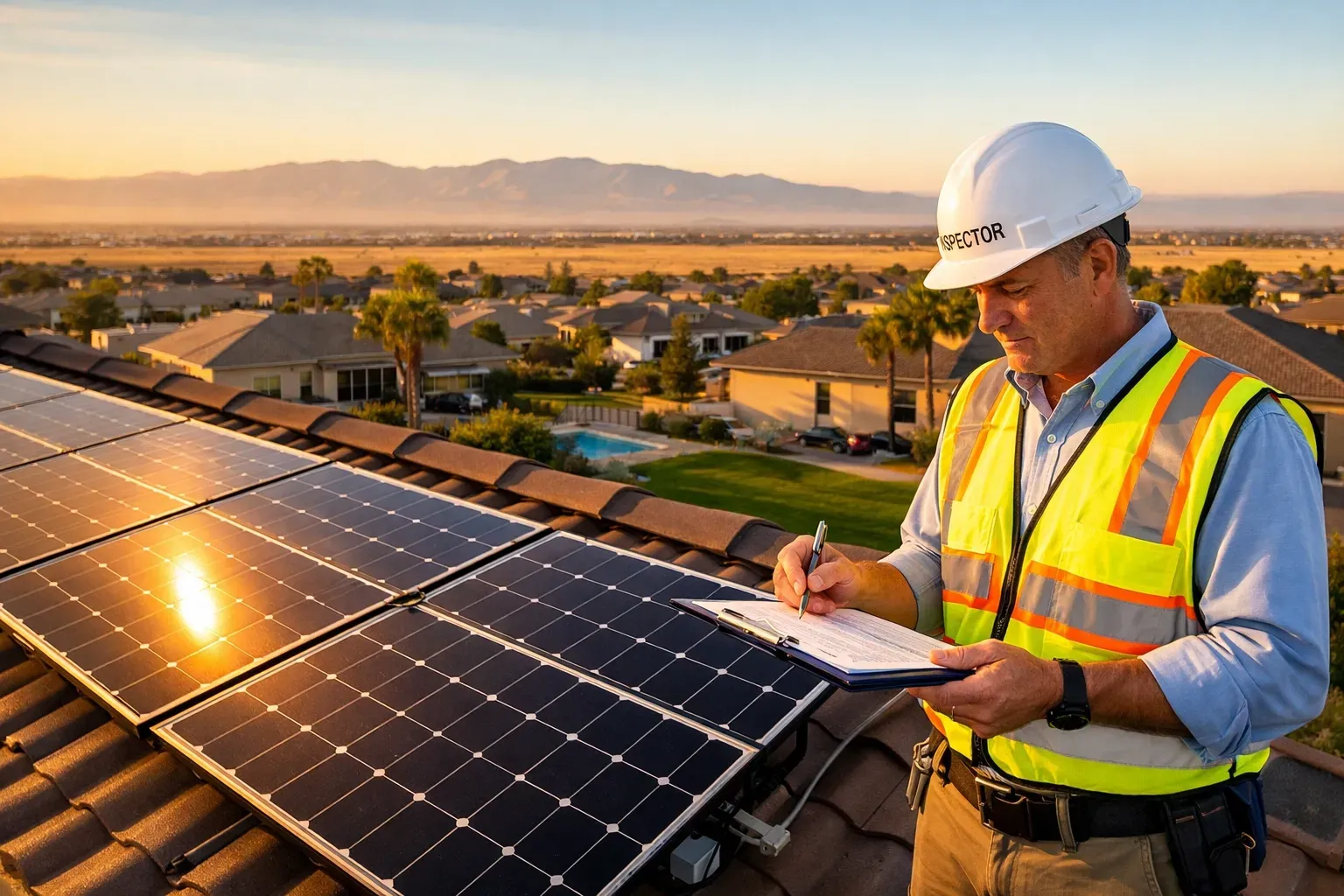
Here's what makes this easier than you might think: reputable solar installers like Solar Savings Direct handle the entire permitting process on your behalf. We submit all required documentation, coordinate with the City of Bakersfield Building Division, manage inspection scheduling, and ensure your system passes final approval before you make the last payment. You don't need to navigate building departments, understand electrical codes, or take time off work for appointments. We've processed hundreds of permits in Kern County and know exactly what local inspectors require.
The inspection itself happens after installation and is scheduled through the city's portal. Requests made during business hours are typically scheduled for the next business day, meaning your system can be operational within days of completion.
What About Maintenance and Local Support?
This is where choosing a locally owned company makes a significant difference. When your solar system needs attention: whether it's a routine check, a monitoring question, or an unexpected issue: having a local team matters more than most people realize.
Solar Savings Direct is based right here in Bakersfield. Our technicians live in the same neighborhoods as our customers, experience the same dusty Central Valley conditions, and understand the specific challenges that California's intense sun and occasional weather events can create. If you call us with a question, you're talking to someone who can be at your property the same day or next day, not scheduling an appointment three weeks out with a contractor dispatched from out of state.
National companies often route service calls through centralized call centers, where representatives may not have direct access to local technicians or understand regional installation specifics. We've heard from homeowners who switched to us after spending weeks trying to resolve simple issues with companies that have no physical presence in the area.
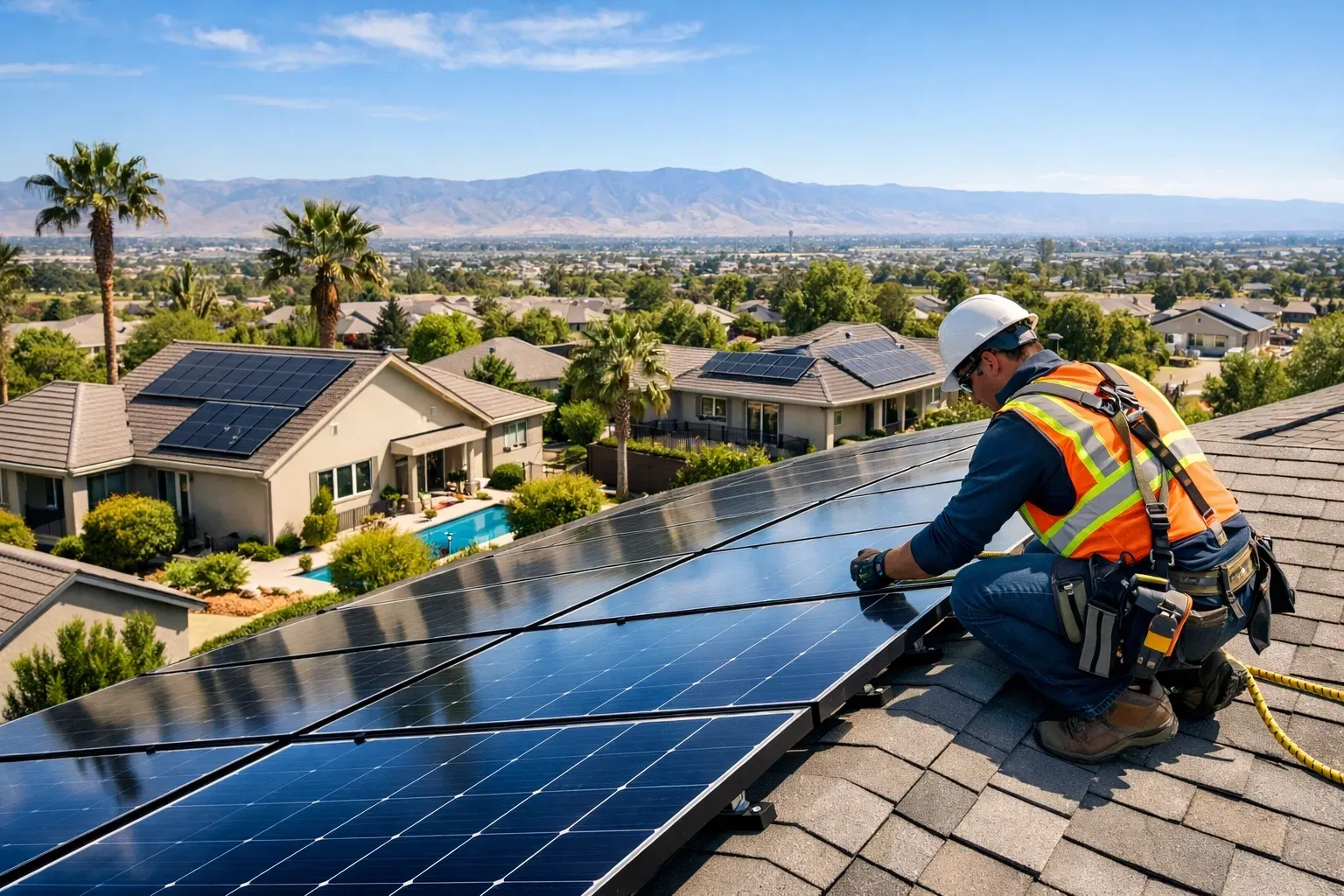
Solar systems are remarkably low-maintenance by design: no moving parts, no combustion, no fluids to change. However, the monitoring systems, inverters, and batteries do occasionally require attention. Panels benefit from periodic cleaning, especially in Bakersfield where dust accumulation can reduce efficiency by 15-20% during dry summer months. Our local team provides these services efficiently, often combining routine maintenance with system performance checks to ensure you're capturing maximum energy production.
Additionally, being locally owned means we're invested in our reputation within the community. We can't afford to provide subpar service when we're likely to see our customers at the grocery store or run into them at local events. Our business depends on word-of-mouth referrals from satisfied Bakersfield homeowners, which creates a level of accountability that distant corporate entities simply don't share.
For warranty service, having local support is equally critical. While most components carry manufacturer warranties of 25 years or more, warranty claims require proper documentation, diagnostic expertise, and coordination with manufacturers. We handle this process directly, ensuring warranty issues are resolved quickly rather than creating weeks of back-and-forth communications.
What's the ROI Timeline Under NEM 3.0?
California's NEM 3.0 policy changed the financial equation for solar in significant ways. Under the previous NEM 2.0 system, excess solar energy sent to the grid was credited at retail electricity rates. NEM 3.0 reduces those export credits substantially, which initially sounds discouraging: but actually creates a strong incentive for the most effective solar strategy: pairing panels with battery storage.
For a typical Bakersfield home with average energy consumption, a solar-only system now sees payback periods of 8-10 years. However, a solar-plus-battery system reduces that timeline to 6-8 years in most cases. Here's why: batteries allow you to store excess daytime solar production and use it during expensive evening peak hours (4 PM to 9 PM) when electricity rates are highest and NEM 3.0 export credits are lowest.
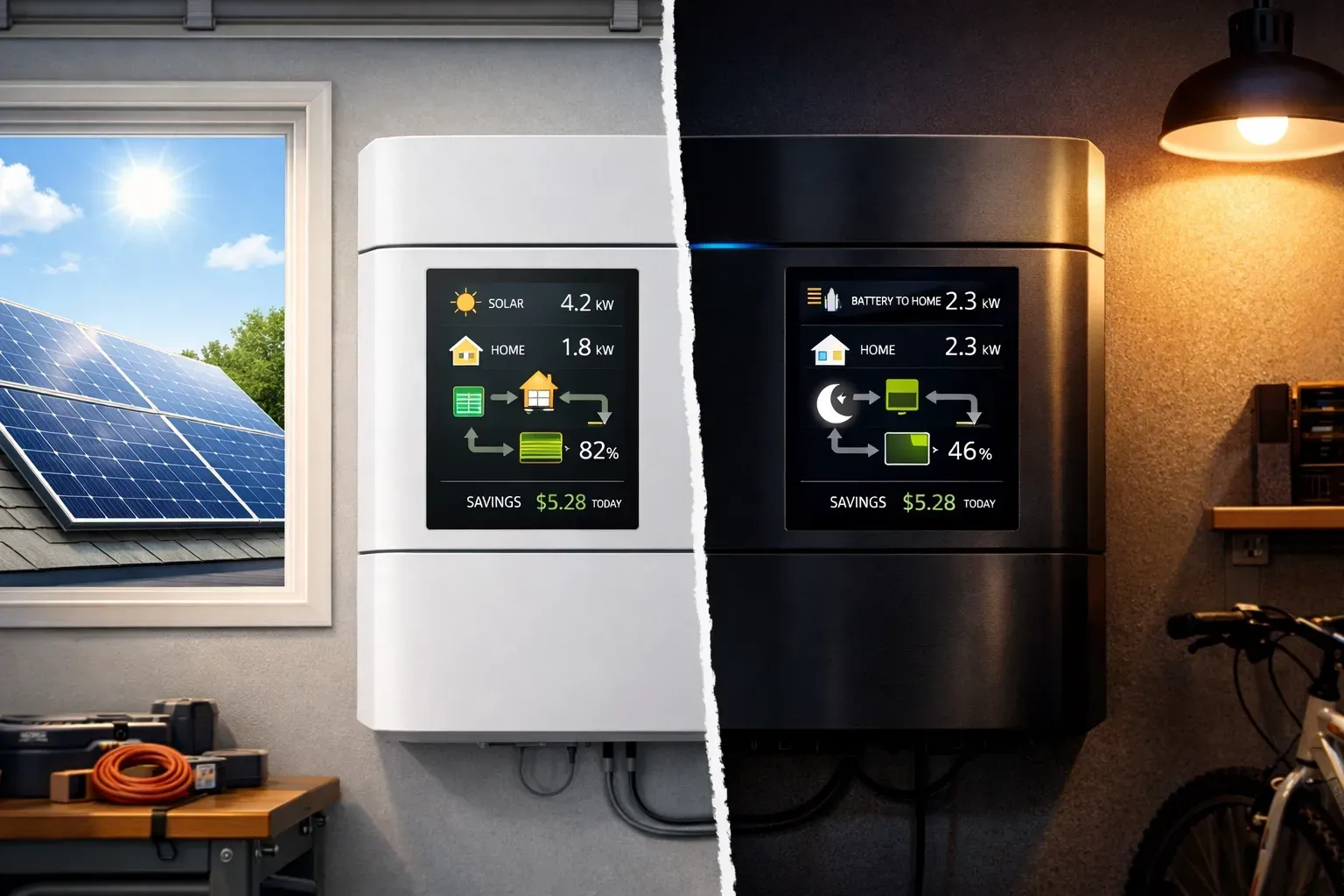
Bakersfield's combination of abundant sunshine: averaging over 270 sunny days per year: and high summer cooling costs creates ideal conditions for solar. During June through September, when air conditioning drives energy bills above $300-500 monthly for many households, a properly sized solar and battery system can reduce those costs by 80-90%. That's $2,400-$4,000 in annual savings, which translates to $60,000-$100,000 over a system's 25-year warranty period.
Property value increases add another dimension to ROI calculations. Studies from Zillow and the National Renewable Energy Laboratory consistently show that solar installations increase home values by approximately 4.1%, with buyers willing to pay a premium for properties with lower operating costs and energy independence. In Bakersfield's housing market, that can translate to $15,000-$25,000 in additional equity.
What Makes Quality Solar Equipment?
Not all solar panels deliver the same performance, especially under Bakersfield's intense summer heat. Panel efficiency, temperature coefficient, and manufacturing origin all impact long-term production and reliability.
Premium panels manufactured in the United States typically offer efficiency ratings of 21-23%, compared to 17-19% for budget imports. That difference might seem minor, but over 25 years on a Bakersfield roof, it represents thousands of additional kilowatt-hours and hundreds of dollars in extra savings. American-made panels also tend to have superior temperature coefficients, meaning they lose less efficiency when surface temperatures exceed 150°F: which happens regularly on Central Valley roofs during July and August.
The 25-year warranty standard has become industry norm for panels, but warranty quality depends on manufacturer stability. Domestic manufacturers with established track records are more likely to honor warranties decades from now compared to overseas producers who may not remain in business. We exclusively install panels from manufacturers with proven longevity and solid financial backing.
Battery quality matters equally, particularly under NEM 3.0's incentive structure for self-consumption. Lithium ferrous phosphate (LFP) batteries offer superior cycle life, safer chemistry, and better performance in high temperatures compared to standard lithium-ion alternatives. A quality battery system should provide 10-15 years of reliable service with 80% or greater capacity retention, cycling daily without degradation issues.
Inverter selection impacts both efficiency and monitoring capabilities. Modern inverters achieve 97-98% conversion efficiency while providing real-time production data through smartphone apps. Being able to track your system's performance, identify issues quickly, and verify you're capturing expected production adds both peace of mind and practical value.
Making Your Decision
Switching to solar in Bakersfield represents both immediate relief from escalating utility bills and long-term energy independence. Understanding the local permitting process, having reliable local support, calculating realistic ROI under current policies, choosing quality equipment, and maximizing available incentives ensures your investment delivers promised returns.
The combination of Bakersfield's exceptional solar resource, NEM 3.0's battery incentives, federal tax credits, and rising electricity rates creates a compelling financial case for solar adoption in 2026. Working with an experienced local installer who handles permitting, uses premium equipment, and provides responsive maintenance support turns that financial case into reliable reality.
Ready to get specific numbers for your home and understand exactly what solar can do for your energy bills? Request a free quote from Solar Savings Direct today. Our Bakersfield team will assess your property, design a system optimized for your consumption patterns, and walk you through the complete process from permits to production.

Share On: