Bakersfield Solar Guide: Why Central Valley Homeowners are Racing to Beat the Next Rate Hike
Why Bakersfield Homeowners Are Acting Now
The Central Valley isn't just hot: it's one of the most energy-intensive regions in California. Summer temperatures routinely exceed 100°F, and cooling costs can account for 50% or more of your total energy bill during peak months. For many families, that means $300, $400, even $500+ electricity bills that stretch budgets to the breaking point.
But here's what's changed: California's Net Energy Metering (NEM) 3.0 policy, which took effect in 2023, has fundamentally altered the economics of going solar. Under NEM 3.0, the credit you receive for sending excess solar energy back to the grid has been reduced by roughly 75% compared to the previous policy. That shift means homeowners who install solar without battery storage are leaving serious savings on the table.
The rate at which utilities compensate solar customers for exported energy is scheduled to decline even further. According to recent filings, compensation rates will drop from 0.9¢ per kWh in 2026 to just 0.4¢ per kWh in 2027 during certain periods. Translation? The window to lock in better returns on your solar investment is closing fast.
Furthermore, PG&E and other California utilities have filed for multiple rate increases over the past two years, with some residential customers seeing hikes of 30% or more since 2022. Each rate increase makes your solar system more valuable because you're avoiding those escalating grid costs entirely.
The Rate Hike Reality: Bakersfield's Energy Cost Crisis
Let's talk numbers. The average Bakersfield household uses approximately 900–1,100 kWh per month. During summer, that number can spike to 1,500 kWh or higher when your HVAC system is working overtime to keep your home livable. At current PG&E rates averaging $0.30–$0.40 per kWh (and higher during peak hours), that's $450–$600 per month just to stay cool.
Now multiply that by 12 months. You're looking at $4,000–$6,000 per year in electricity costs: and that's before the next rate hike.
Utility companies aren't slowing down, either. PG&E has already signaled additional rate increases through 2027, citing infrastructure upgrades, wildfire mitigation costs, and regulatory compliance. For Central Valley homeowners already struggling with inflation and rising living costs, those increases aren't just inconvenient: they're unsustainable.
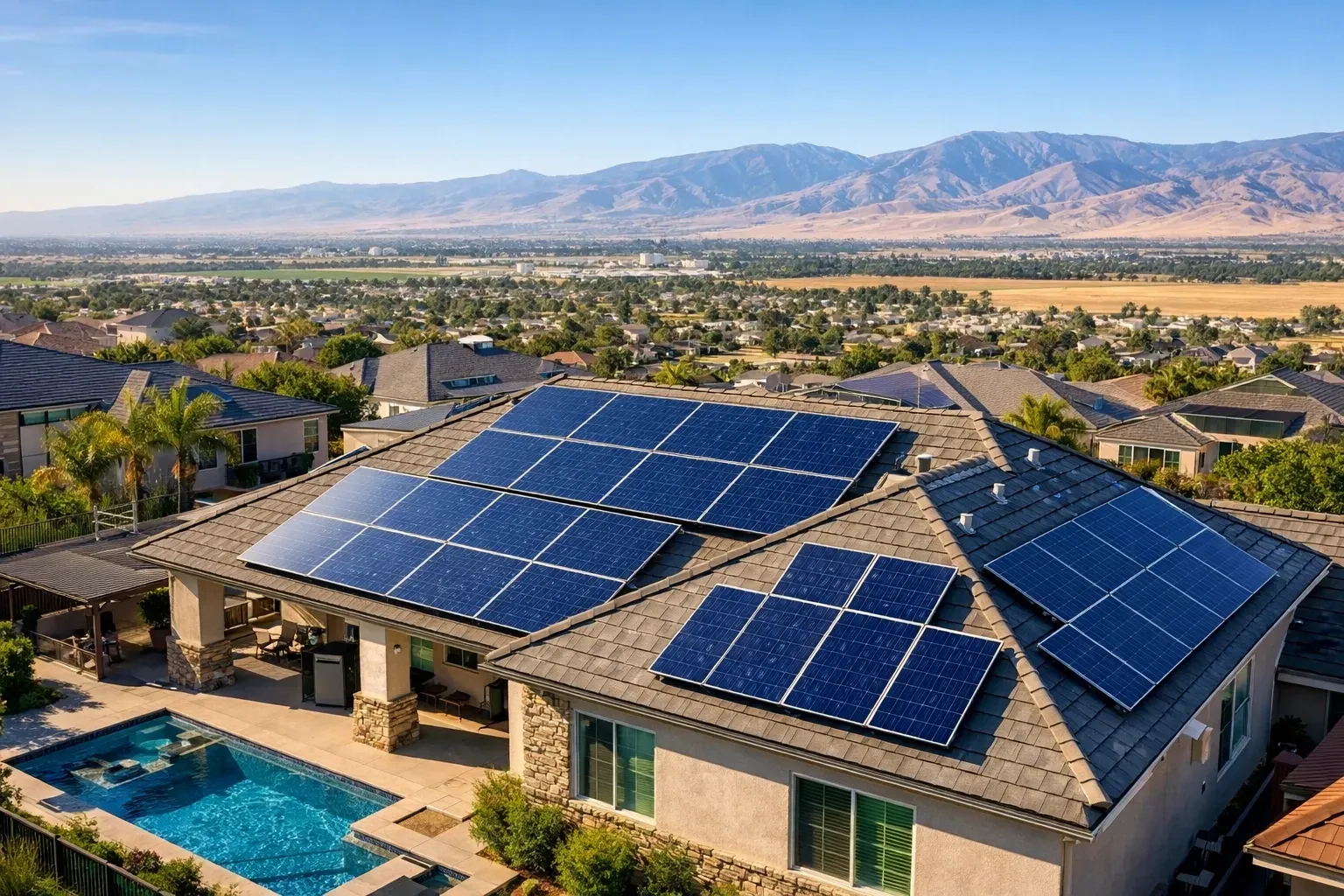
Solar offers a way out. By generating your own electricity from the sun: and storing it in batteries for use during expensive peak hours: you can dramatically reduce or even eliminate your monthly utility bills. In many cases, Bakersfield homeowners see a 70%–90% reduction in their electricity costs within the first year of installation.
NEM 3.0 and Why Batteries Are Now Essential
Here's where things get strategic. Under the old NEM 2.0 policy, you could install solar panels and send excess energy back to the grid in exchange for credits that nearly matched retail rates. It was a simple equation: produce more than you use during the day, bank those credits, and draw them down at night.
NEM 3.0 changed the game. Now, those credits are worth a fraction of what they used to be, which means exporting energy to the grid no longer makes financial sense for most homeowners. Instead, the smarter play is to store that energy in batteries and use it during peak hours when grid electricity is most expensive.
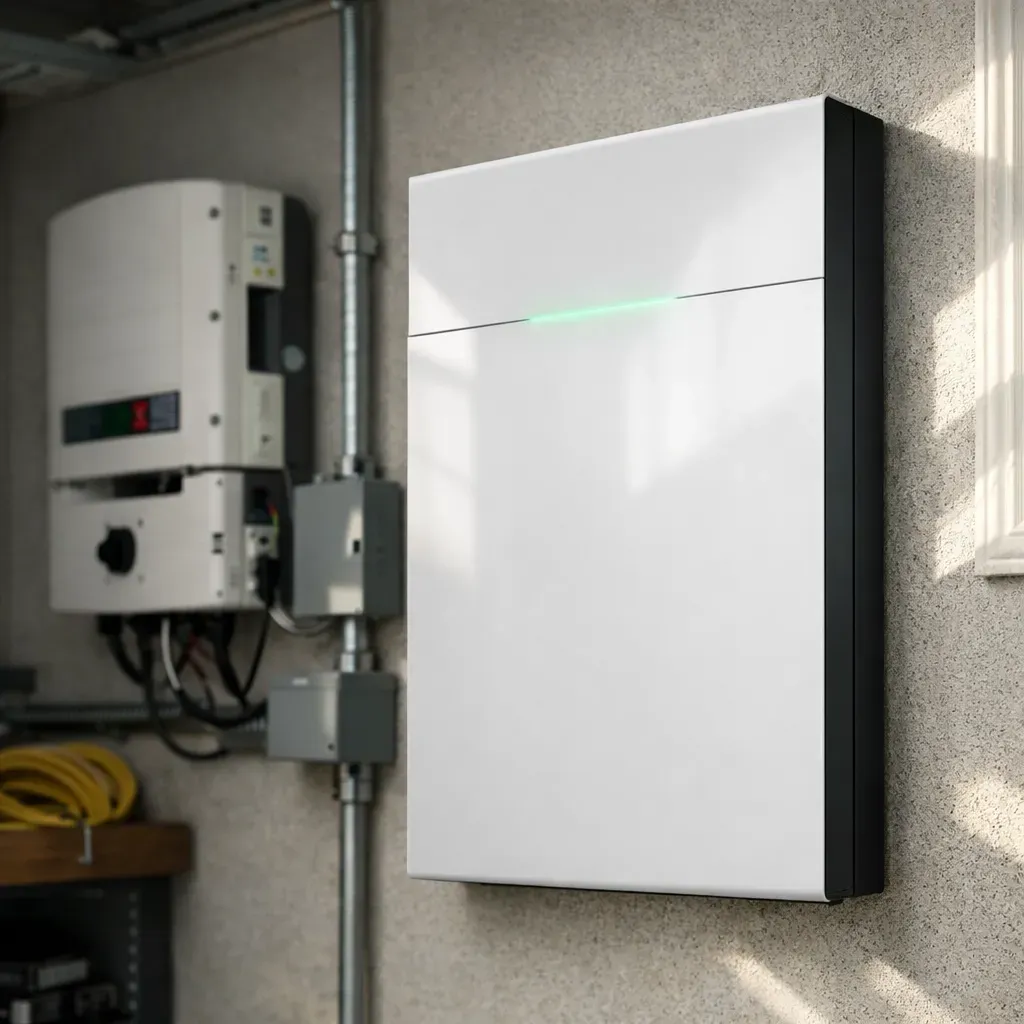
Battery storage systems allow you to capture the excess solar energy your panels generate during the day and deploy it strategically when your utility rates are highest: typically between 4 p.m. and 9 p.m. This practice, known as "peak shaving," ensures you're maximizing the value of every kilowatt-hour your system produces.
In addition, batteries provide energy independence and backup power during outages. The Central Valley has experienced its share of planned Public Safety Power Shutoffs (PSPS) during fire season, and unexpected grid failures aren't uncommon during extreme heat events. With a solar-plus-battery system, you keep the lights on: and the AC running: even when the grid goes down.
Why Local Matters: USA-Manufactured Equipment and 25-Year Warranties
Not all solar companies are created equal, especially when it comes to the quality of equipment and the reliability of warranties. At Solar Savings Direct, we've built our reputation on using USA-manufactured solar panels and inverters that are engineered to withstand the unique challenges of the Central Valley climate.
Extreme heat, dust, and intense solar exposure can degrade lower-quality equipment over time, reducing efficiency and shortening the lifespan of your system. That's why we exclusively install equipment designed for performance and longevity, backed by comprehensive 25-year warranties that protect your investment.
Furthermore, working with a locally trusted company means you're dealing with a team that understands Bakersfield's specific energy landscape. We know how PG&E's rate structures work. We're familiar with local permitting requirements. And we've designed thousands of systems for Central Valley homes just like yours, optimizing panel placement and battery capacity to maximize your savings.
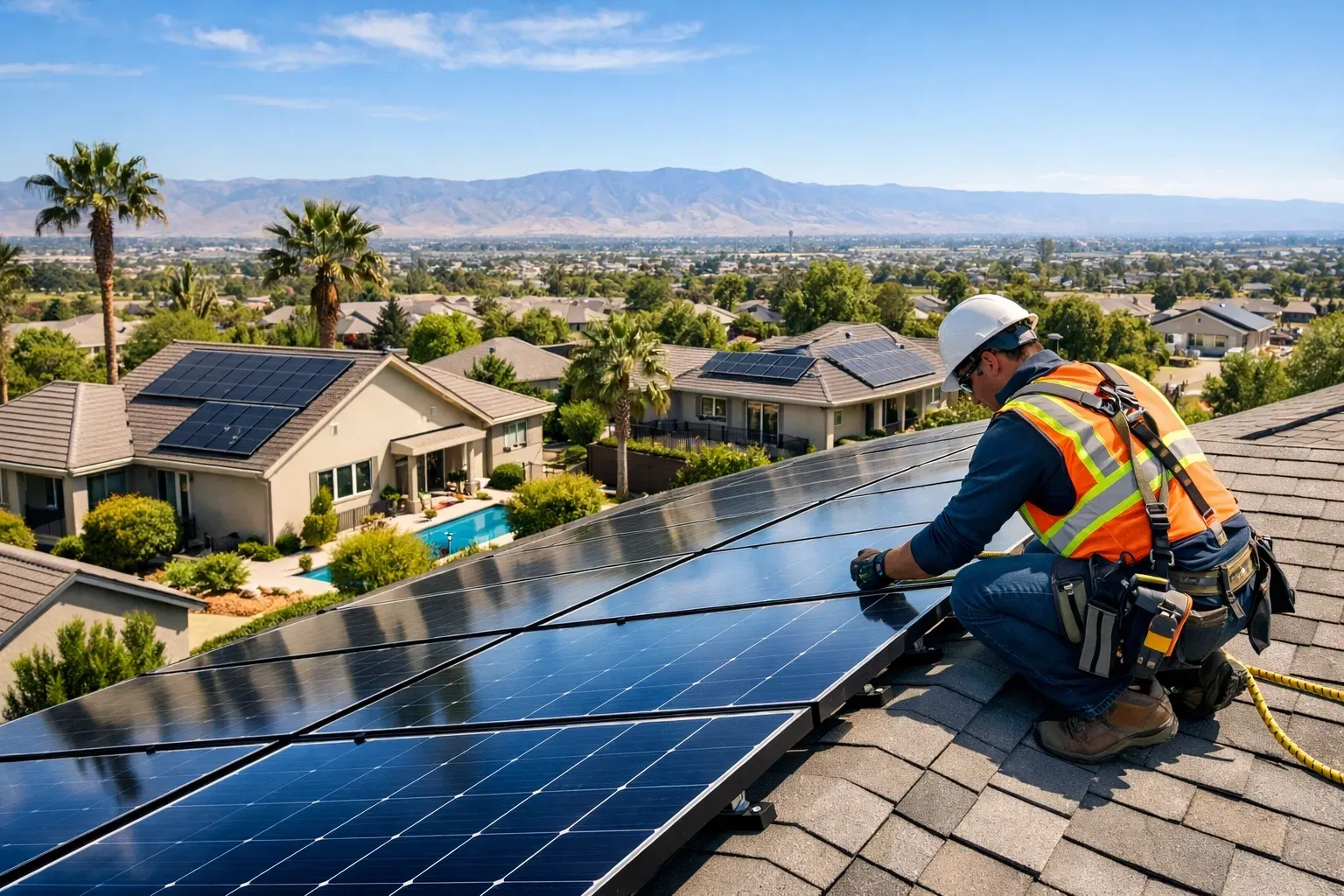
Our commitment to quality extends beyond the equipment itself. Every installation is performed by certified professionals who adhere to strict safety protocols and industry best practices. We ensure your system is properly sized, correctly installed, and fully optimized to deliver decades of reliable, cost-saving performance.
The Urgency Factor: Why Homeowners are Acting Now
Let's bring this all together. Here's why Bakersfield homeowners are racing to go solar before the next rate hike:
Declining NEM compensation rates mean the longer you wait, the less your exported energy is worth. Rates are dropping in 2027, and delaying installation means leaving money on the table.
Rising utility rates are only going to get worse. Every rate increase makes your solar system more valuable because you're avoiding those escalating costs. The sooner you switch, the sooner you stop bleeding money to the utility company.
Energy independence has never been more critical. Between PSPS events, extreme heat, and grid instability, having a backup power source isn't just convenient: it's essential for protecting your family and your home.
For Central Valley homeowners, the decision isn't whether to go solar: it's when. And the data is clear: the best time to act is now, before rates climb higher and incentives start disappearing.
Taking Control of Your Energy Costs Today
If you're tired of watching your electricity bills climb every year, it's time to take control. Solar-plus-battery systems offer Bakersfield homeowners a proven path to energy independence, long-term savings, and protection from future rate hikes.
At Solar Savings Direct, we specialize in designing custom solar solutions for Central Valley homes, using USA-manufactured equipment backed by 25-year warranties. We'll walk you through every step of the process, from system design and financing to installation and ongoing support.
Ready to stop losing money on your energy bills? Request a free quote today and find out how much you could be saving with solar.


Share On: