
Beating the Bakersfield Heat: How to Slash Your Summer A/C Bills with Solar & Batteries
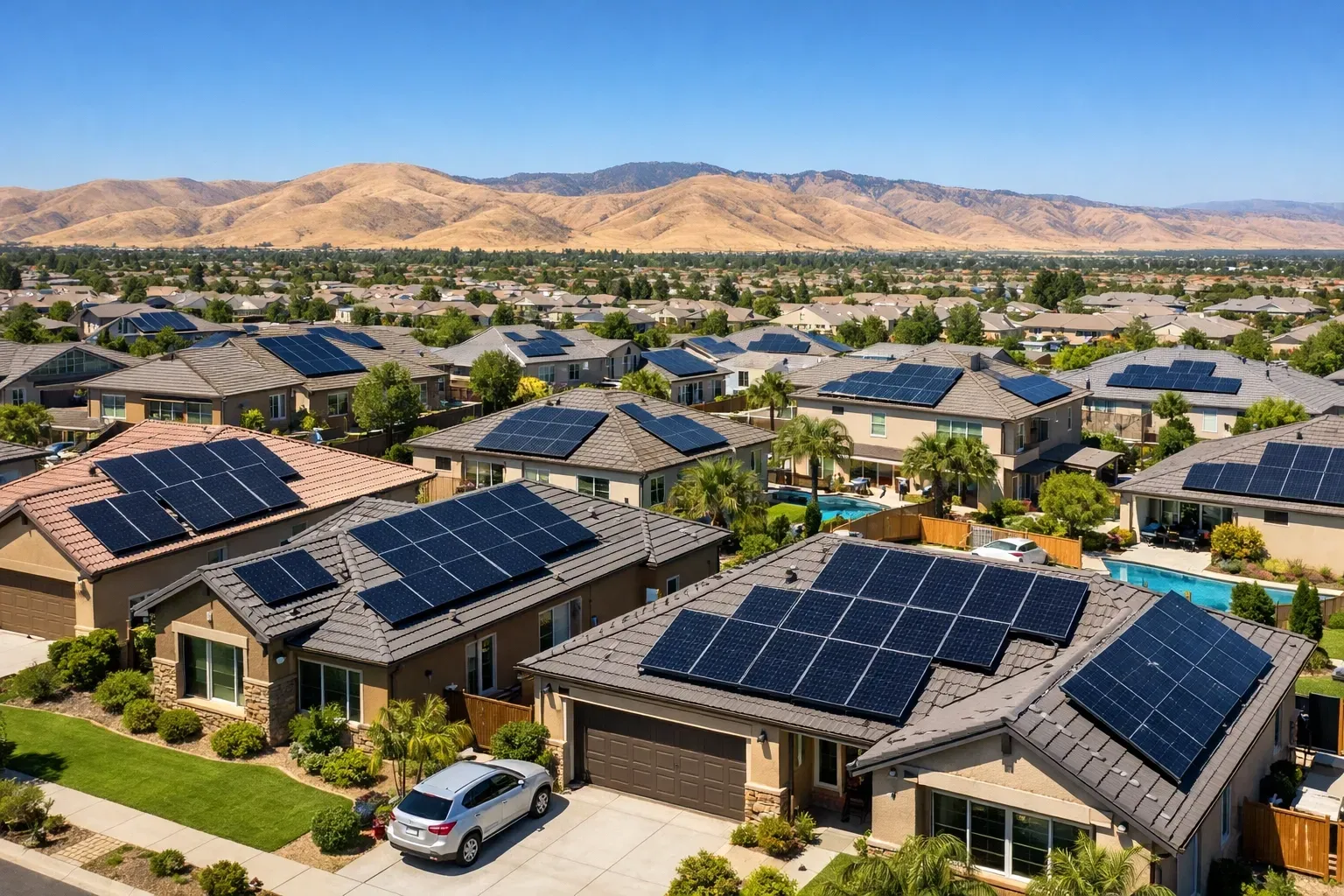
Why NEM 3.0 Changed Everything for Bakersfield Homeowners
Understanding what happened with California's solar compensation structure is critical to making smart decisions about your energy future. Under the old Net Energy Metering (NEM 2.0) rules, excess solar power sent back to the grid earned homeowners retail rate credits: essentially spinning your meter backward at full value.
NEM 3.0 disrupted that model. Now, the credits you receive for sending power to the grid during peak solar production hours (typically 9 AM to 4 PM) are worth significantly less: in some cases, 75% lower than what you'd pay to pull that same power back from the grid during evening hours when your A/C is working hardest.
This creates a problematic math problem for traditional solar-only systems: your panels generate the most electricity when you need it least, and you're forced to buy expensive grid power precisely when your home demands the most energy. For Bakersfield families running air conditioning from late afternoon through bedtime, this timing mismatch translates to continued high electricity costs despite having solar panels on the roof.
The solution? Store that abundant midday solar production in batteries and deploy it strategically during the expensive evening hours when your home's energy demand peaks.
How Solar Plus Battery Storage Slashes Your A/C Costs
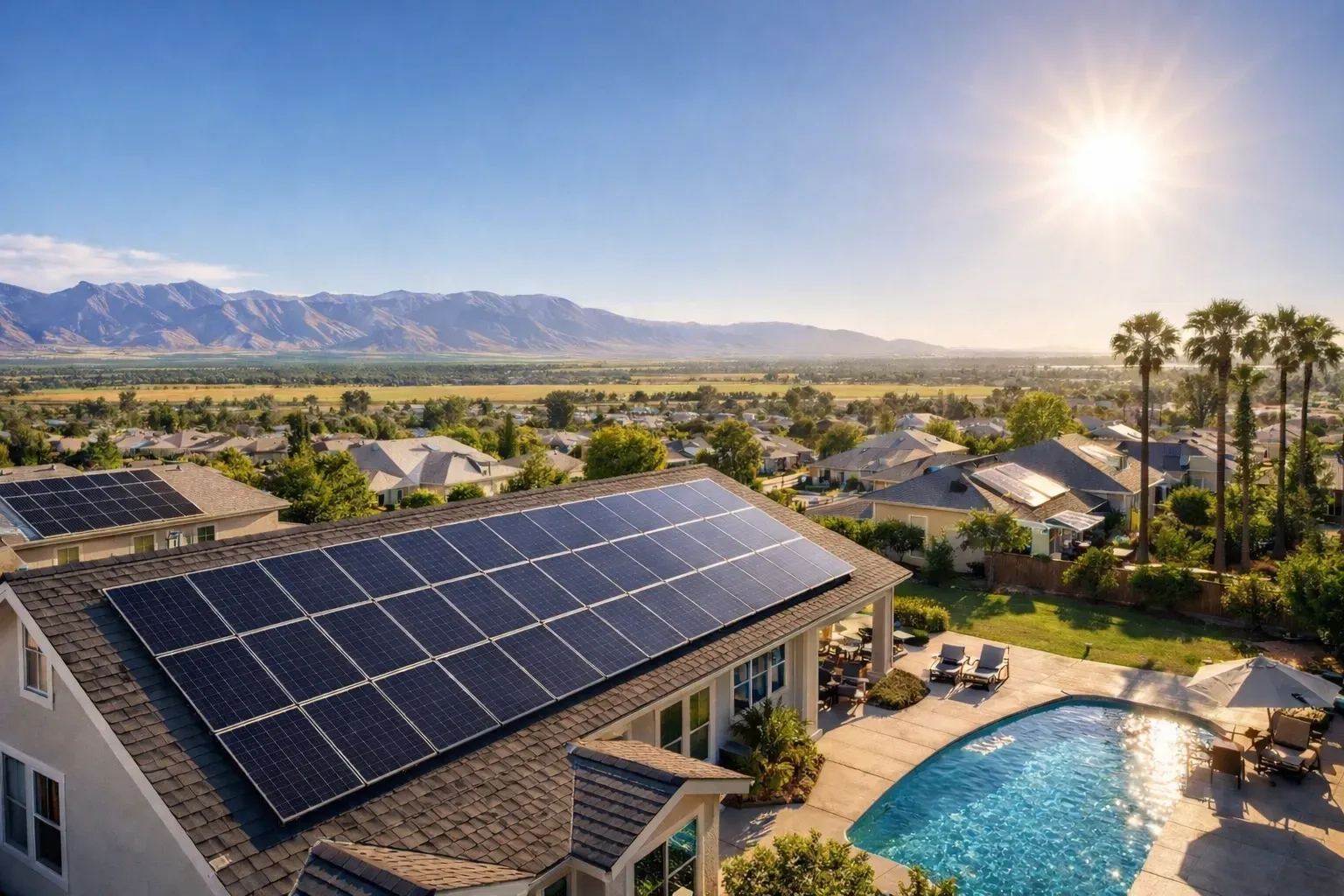
The modern approach to eliminating summer electricity bills in Bakersfield centers on a coordinated solar-plus-storage system that operates with precision throughout the day. Here's how the system transforms your energy economics:
Morning Production and Storage: As the sun rises over the valley, your solar panels begin generating power. Your home uses what it needs for morning activities, but the majority of that clean energy flows directly into your battery storage system. By mid-morning, when solar production reaches its peak, your batteries are actively banking that electricity for later use.
Peak Heat Management: When afternoon temperatures climb into the upper 90s and your air conditioning shifts into high gear, your home draws from two sources: continued solar production from your panels and stored energy from your batteries. This means you're running your A/C without touching expensive grid electricity, even during the 4 PM to 9 PM window when utility rates spike to their highest levels.
Evening Independence: After sunset, when traditional solar systems force homeowners back onto the grid at premium rates, your batteries continue powering your home through the night. Your A/C runs on stored solar energy that cost you nothing to produce, rather than grid electricity that's costing you 30 cents per kWh or more during peak demand periods.
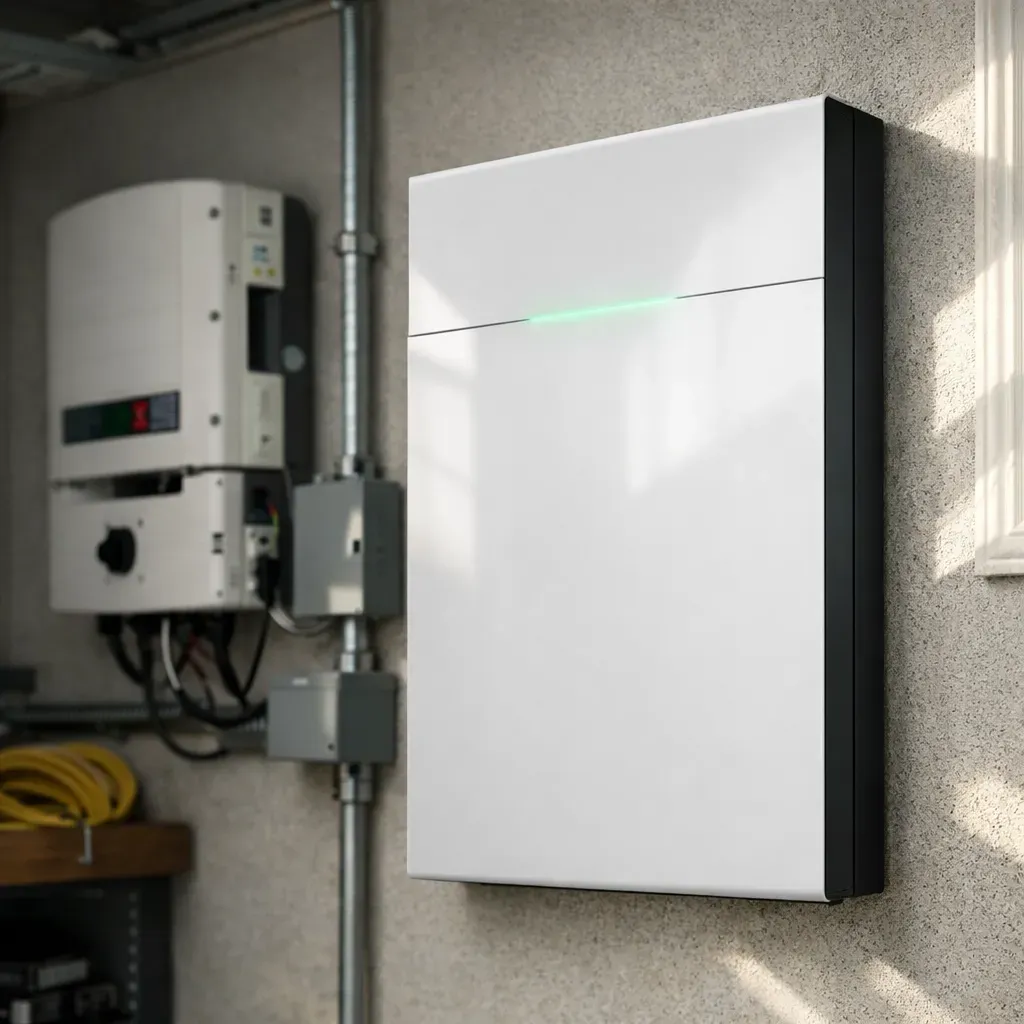
This strategic energy management can reduce or eliminate the electricity costs associated with cooling your home, which typically represents 50-70% of a Bakersfield household's summer energy consumption.
The Real Math: What Bakersfield Homeowners Are Saving
Let's look at concrete numbers based on typical Central Valley usage patterns. The average Bakersfield household consumes approximately 10,836 kWh annually, with summer months representing the highest consumption period. At current rates of 30 cents per kWh, that's $3,250 per year in electricity costs: and summer months can push monthly bills to $400 or higher.
A properly sized solar-plus-battery system for a typical Bakersfield home: usually a 6-7 kW solar array paired with 10-13 kWh of battery storage: changes this equation dramatically. Homeowners are seeing 90-100% reduction in their summer electricity costs, translating to $1,500-$2,000 in savings during just the four peak summer months.
Beyond immediate savings, solar-plus-battery systems provide critical backup power during the grid outages that increasingly affect California communities during fire season and heat waves. While your neighbors sweat through blackouts, your home maintains comfortable temperatures and keeps essential appliances running.
Why Quality Equipment Matters in Bakersfield's Climate
The Central Valley presents unique environmental challenges that demand high-performance equipment. Sustained temperatures above 95 degrees, intense UV exposure, and occasional dust storms from agricultural areas require solar panels and batteries engineered for durability and consistent output under extreme conditions.
Solar Savings Direct exclusively installs solar panels that meet rigorous performance standards for high-temperature environments. These panels maintain their efficiency even when roof surface temperatures exceed 150 degrees: a common occurrence during Bakersfield summers. Lower-quality panels can lose 15-20% of their rated output in extreme heat, which directly impacts your ability to run your A/C during the hottest parts of the day.
Battery systems require equal attention to quality and proper installation. The battery systems we install include advanced thermal management systems that protect the batteries during both extreme heat and cold, ensuring consistent performance and longevity. These systems are warranted for 25 years, guaranteeing that your energy independence remains intact for decades.
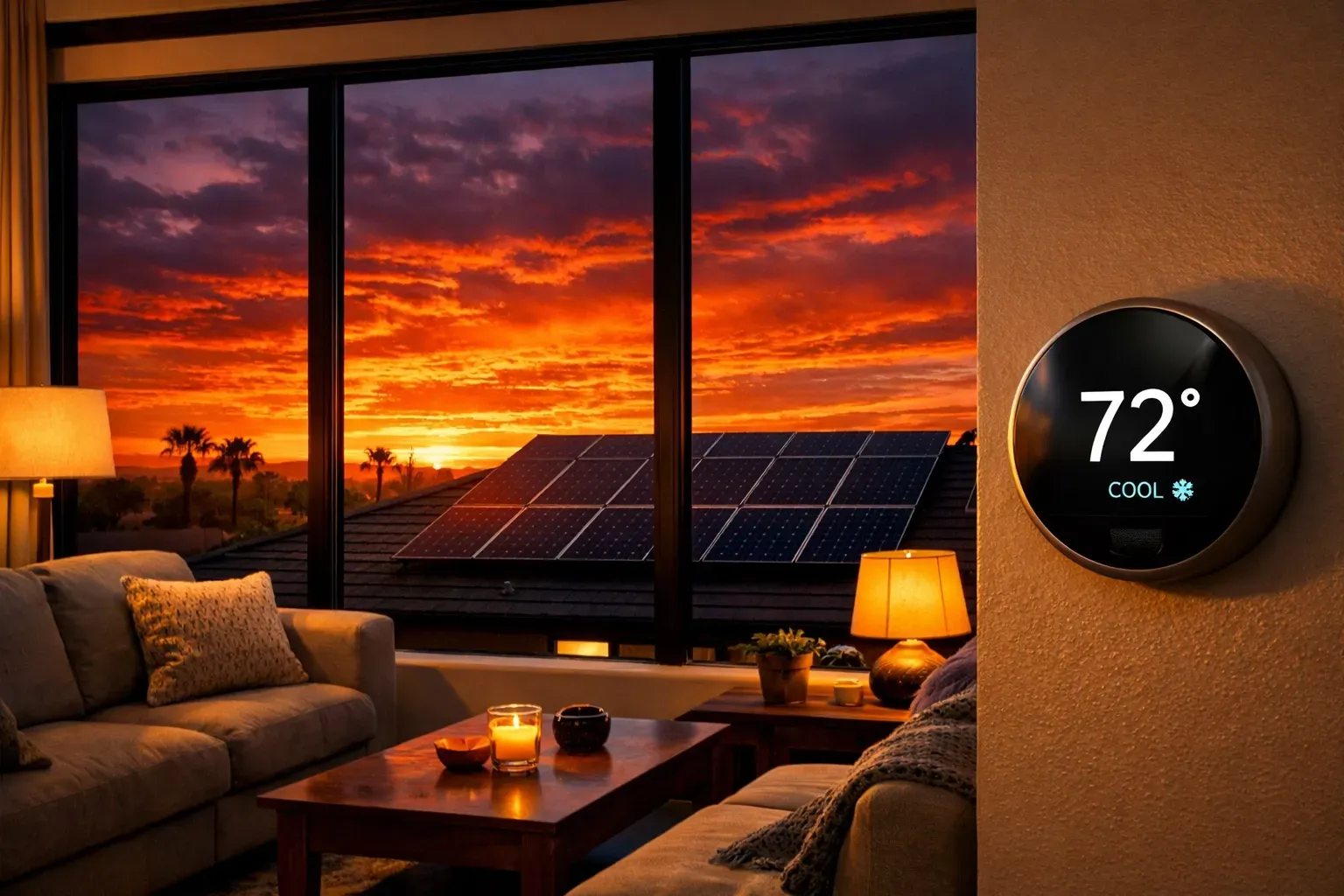
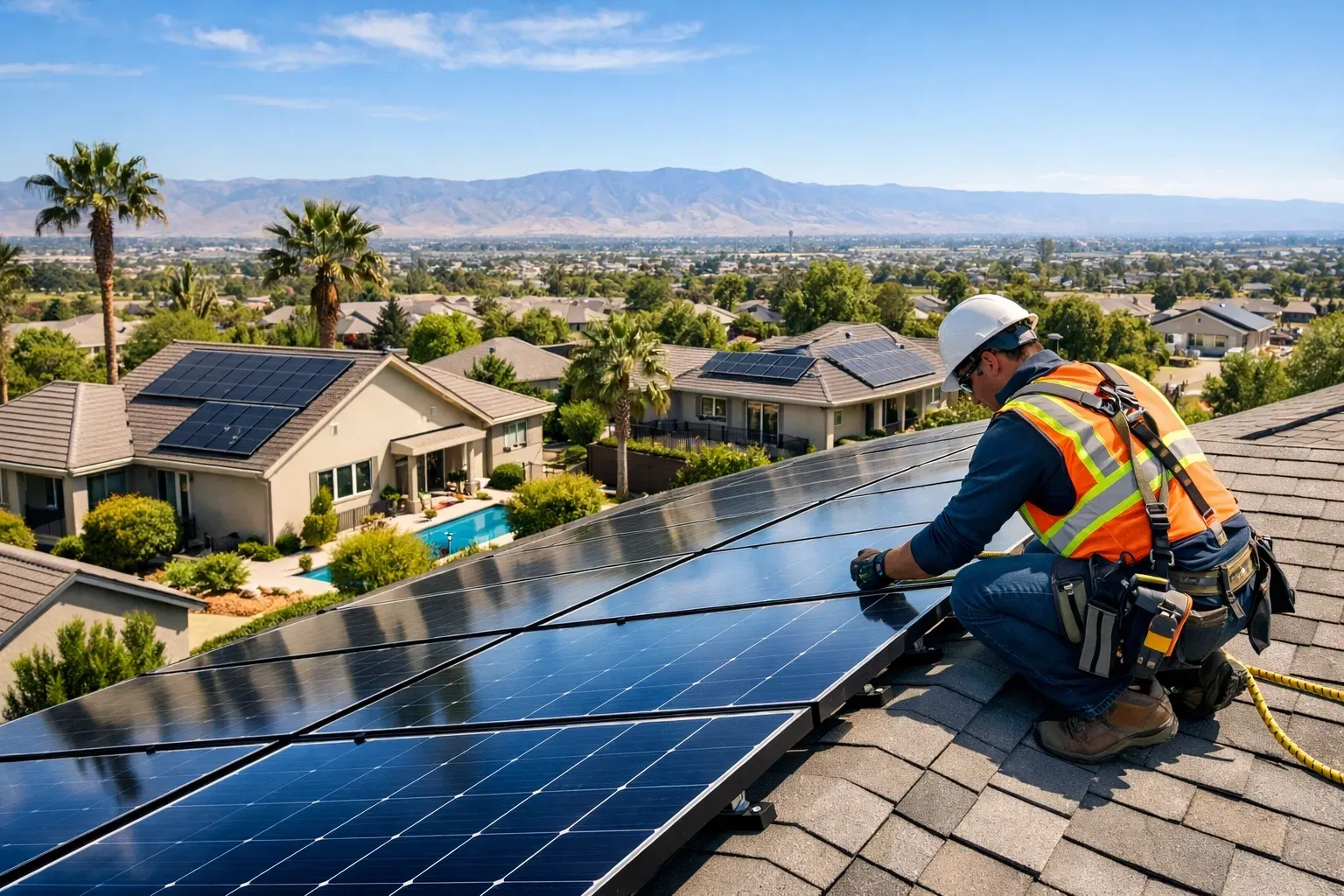
Professional installation is particularly critical in Bakersfield's climate. Improper mounting can lead to accelerated degradation from heat exposure, while substandard electrical work creates safety risks and reduces system performance. Our installation teams are certified specialists who understand local building codes, optimal panel positioning for Central Valley sun angles, and the electrical integration required for seamless battery operation.
The Local Advantage: Why Bakersfield Homeowners Choose Solar Savings Direct
As a locally owned company operating throughout the Central Valley, we understand the specific challenges Bakersfield residents face in ways that national chains simply cannot. We've designed and installed hundreds of systems in neighborhoods from Seven Oaks to Riverlakes Ranch, and we know exactly how to optimize production for local conditions.
Our team lives in the same community we serve. When you work with Solar Savings Direct, you're getting professionals who have personal experience with Bakersfield summers, who understand local utility rate structures, and who will be here to support your system for years to come. We're not a sales office forwarding leads to out-of-state installation crews: we're your neighbors providing a complete solution from initial consultation through decades of system performance.
Every system we install comes with comprehensive warranty coverage: 25 years on panels, 25 years on battery systems, and 10 years on installation workmanship. We handle all permitting, utility interconnection paperwork, and coordination with local building departments. Our financing options allow qualified homeowners to install complete solar-plus-battery systems with zero upfront cost, making the transition to energy independence accessible regardless of available cash reserves.
Taking Action Before Summer Heat Arrives
With Bakersfield temperatures already climbing as we move through February, now is the ideal time to begin the solar installation process. A typical installation timeline runs 6-10 weeks from initial consultation to system activation, which means systems contracted now will be operational before the first serious heat wave arrives.
The process begins with a detailed assessment of your home's energy consumption patterns, roof characteristics, and electrical infrastructure. We'll create a customized system design that maximizes your summer savings while providing year-round energy independence. Our team handles every detail: from engineering and permitting to installation and utility activation: ensuring a seamless experience that requires minimal involvement from you.
Financing options include traditional solar loans with competitive interest rates, PACE programs that attach payments to property taxes, and zero-down leasing arrangements for homeowners who prefer not to own the equipment. Each option provides immediate electricity savings that typically exceed the monthly system payment, meaning your solar-plus-battery investment puts money in your pocket from day one.
Make This Your Last Expensive Summer
Bakersfield homeowners no longer need to accept punishing summer electricity bills as an unavoidable cost of living in the Central Valley. The combination of advanced solar technology, strategic battery storage, and California's continued support for residential renewable energy has created an opportunity to permanently eliminate the financial burden of cooling your home.
As temperatures continue rising and utility rates follow the same trajectory, the value proposition for solar-plus-battery systems strengthens with each passing year. The system you install today will be saving you money three decades from now, all while increasing your home's property value and reducing your environmental impact.
Ready to slash your A/C bills and take control of your energy future? Solar Savings Direct provides free consultations for Bakersfield homeowners exploring solar-plus-battery solutions. Our team will assess your specific situation, show you exactly what savings to expect, and design a system that keeps you comfortable all summer without the financial stress. Request your quote today and discover what energy independence feels like.


Share On: