How to Choose the Best Solar Panel Installers in California (Without Getting Burned by NEM 3.0)
Understanding NEM 3.0 and Why It Changed Everything
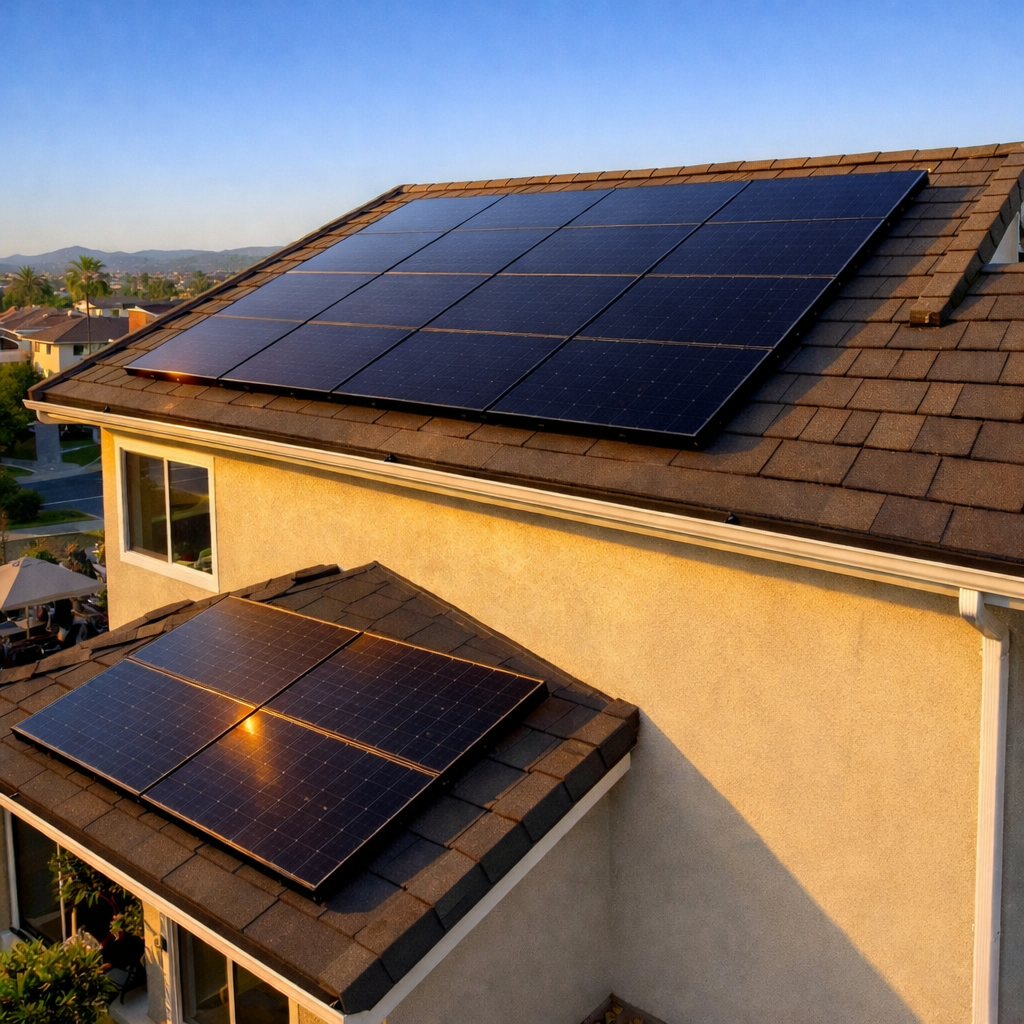
The shift from NEM 2.0 to NEM 3.0 fundamentally changed how solar economics work in California. Under the old net metering system, utility companies credited you at the full retail rate for excess solar energy you sent back to the grid. That made solar panels alone a slam-dunk investment.
NEM 3.0 slashed those export credits by roughly 75%. Now, when your solar panels produce more energy than you're using, you're getting pennies on the dollar for that excess power. According to current data, this policy shift basically made solar batteries a necessity for anyone looking to save money with solar.
This is where installer expertise becomes critical. The best solar panel installers in California now design systems around battery storage first, panels second. They understand that your system needs to store energy during peak production hours and discharge it during expensive evening hours when electricity rates spike.
If a solar company is still trying to sell you a panels-only system without having a serious conversation about battery backup, that's your first red flag. They're either behind the times or prioritizing their commission over your actual savings.
Essential Credentials and Certifications to Verify
Not all California solar companies are created equal, and frankly, some shouldn't be installing systems at all. Before you sign anything, verify these non-negotiable credentials:
CSLB C-46 Solar or C-10 Electrical Contractor License: The C-46 is California's specific license for solar installation. It's different from a general electrical license. Any legitimate installer must have, at least, one of these. You can verify license status directly through the California Contractors State License Board website.
Manufacturer Certifications: Top equipment manufacturers like Tesla, Enphase, and SolarEdge only allow certified installers to work with their products. These certifications ensure your installer knows the specific requirements of your equipment and can properly honor warranties.
Insurance and Bonding: Your installer should carry comprehensive liability insurance and workers' compensation coverage. This protects you if something goes wrong during installation or if workers are injured on your property.
At Solar Savings Direct, our technicians maintain all these credentials because proper installation isn't just about following code: it's about ensuring your system performs safely and efficiently for decades.
Why Battery Storage Became Non-Negotiable Under NEM 3.0
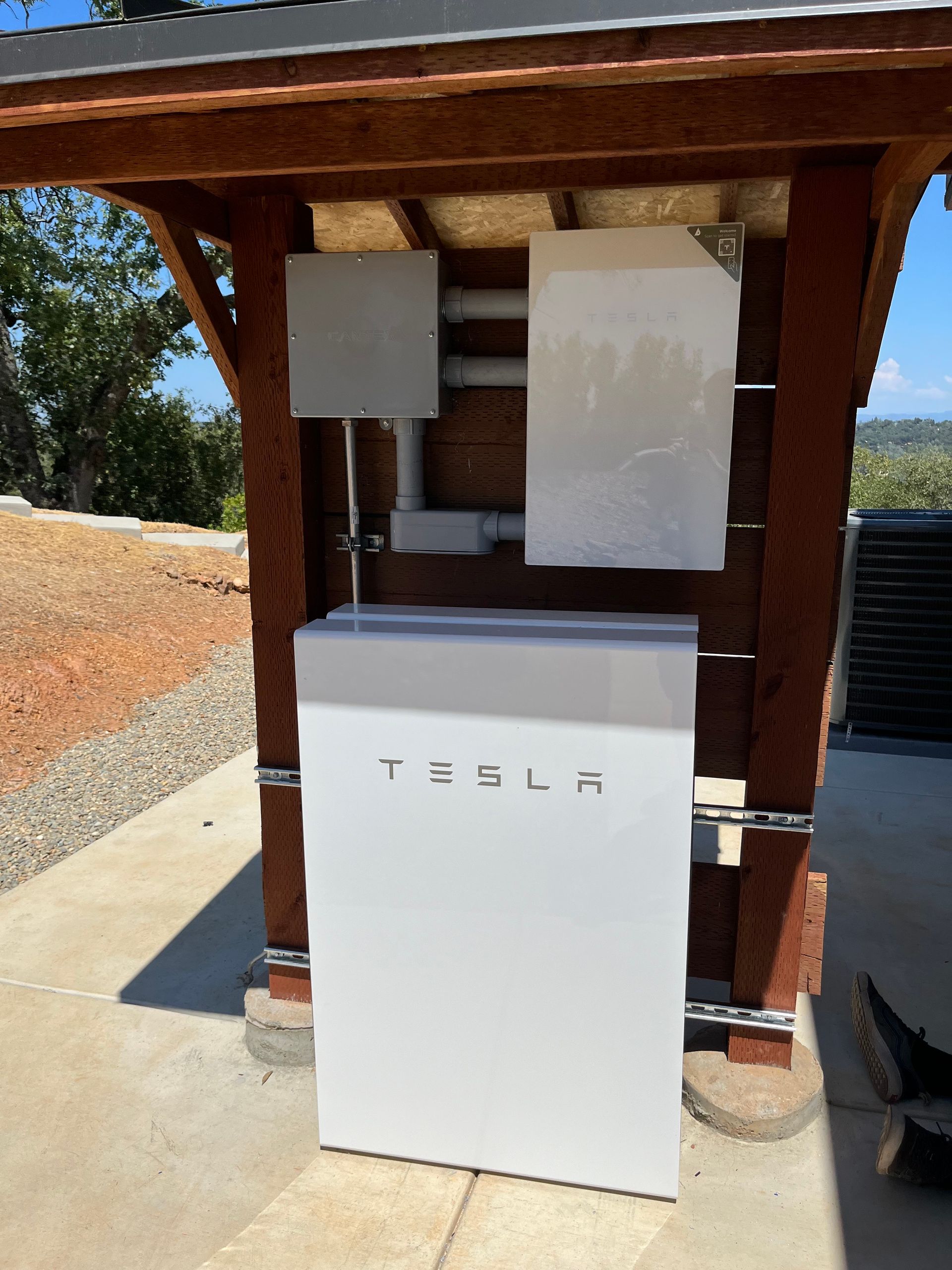
The economics are straightforward: without battery storage, you're essentially donating most of your solar production to the utility company for minimal compensation. With storage, you're capturing that energy and using it when electricity is most expensive.
Evening electricity rates in California can spike to 3-4 times the midday rates. Your solar panels produce the most energy during those cheap midday hours when you probably aren't home. A properly sized battery system stores that inexpensive solar energy and deploys it during expensive evening hours: when you're running air conditioning, cooking dinner, and charging devices.
Quality installers will size your battery system based on your actual consumption patterns, not just give you a one-size-fits-all recommendation. They'll analyze your utility bills, understand your daily routines, and design storage capacity that makes financial sense for your specific situation.
Look for installers who offer multiple battery options and can explain the pros and cons of each. Tesla Powerwalls, Enphase batteries, and other systems each have different characteristics regarding capacity, power output, and integration capabilities. The right choice depends on your home's specific needs.
The USA-Made Equipment Advantage
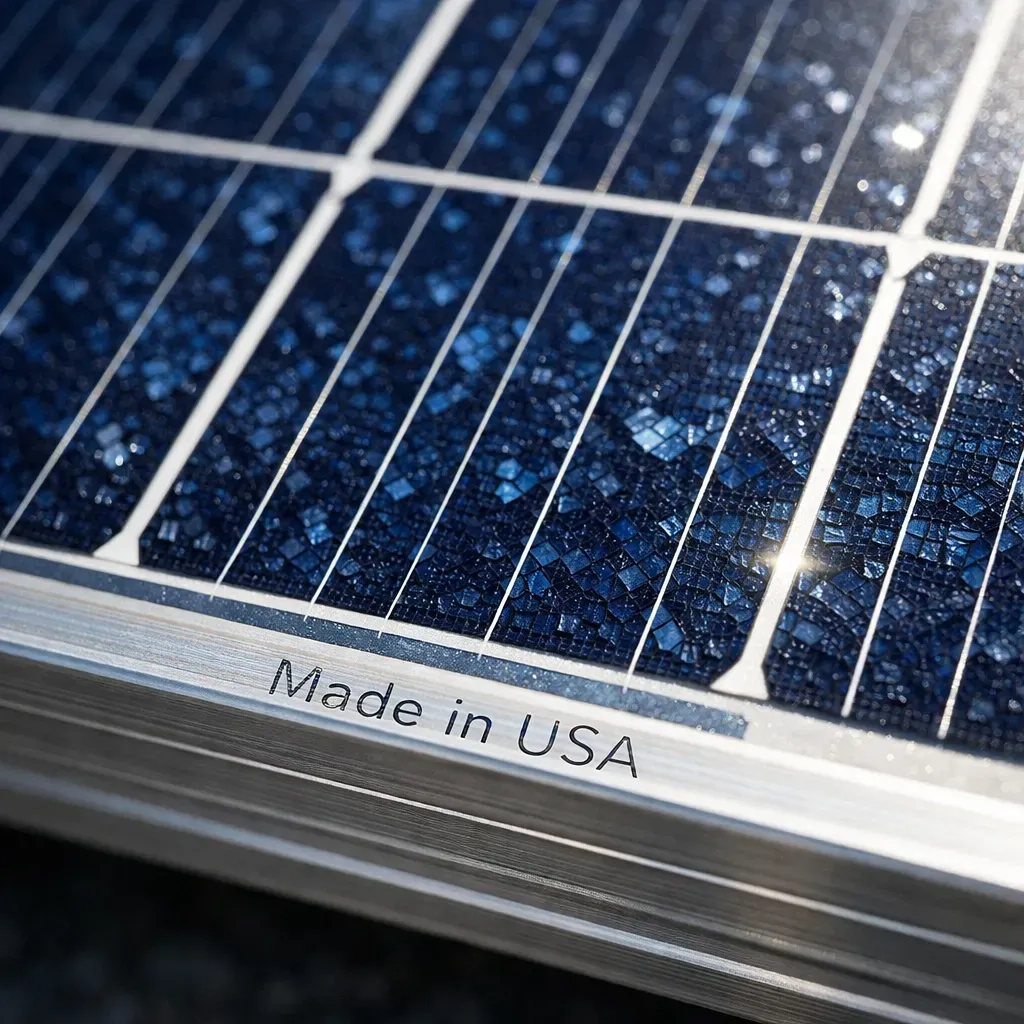
Here's something many solar panel installers in California won't tell you: where your equipment is manufactured matters tremendously for long-term performance and warranty support.
USA-manufactured solar panels and inverters typically offer superior quality control, better warranty service, and longer operational lifespans. When components fail on imported equipment, replacement parts can take months to arrive: leaving your system underperforming or completely offline.
Domestic manufacturers also tend to use higher-grade materials that better withstand California's diverse climate conditions, from coastal salt air to inland desert heat. These panels maintain efficiency ratings longer and degrade more slowly over time.
Furthermore, choosing USA-made equipment supports domestic manufacturing jobs and reduces the carbon footprint associated with international shipping. It's a win for your system's performance and a win for the broader economy.
At Solar Savings Direct, we prioritize USA-manufactured panels and inverters specifically because we've seen how they outperform imported alternatives over 20+ year timespans. The slightly higher upfront cost pays dividends through superior reliability and performance.
Warranties That Actually Protect Your Investment
A solar system is a 25+ year investment, and your warranties need to match that timeline. Unfortunately, many California solar companies offer warranties that sound good on paper but contain problematic fine print.
Look for installers offering comprehensive 25-year warranties covering:
Equipment Performance: Panel manufacturers should guarantee at least 85-90% of original production capacity after 25 years. Quality inverters should carry 10-15 year warranties minimum, with options to extend.
Workmanship: The installer's labor warranty should cover installation defects for at least 10 years. This protects you if mounting systems fail, connections degrade, or waterproofing issues develop.
The critical question: who actually stands behind these warranties? If your installer goes out of business in five years, those warranty documents become worthless. Choose established companies with proven longevity and strong financial backing.
Ask potential installers about their warranty claim process. How quickly do they respond? Do they have local service teams, or will you wait weeks for someone to drive in from out of state? These details matter when something goes wrong.
The Importance of Local Expertise
Solar installation isn't just about mounting panels on a roof. It involves navigating local building codes, utility interconnection requirements, permitting processes, and homeowner association regulations: all of which vary significantly across California.
An installer with deep local expertise can navigate these processes efficiently, avoiding delays that push your project timeline from weeks to months. They have established relationships with local building departments and utility representatives, which smooths approval processes.
Local installers also understand regional climate considerations. Coastal installations require different corrosion-resistant mounting hardware than inland desert installations. Areas with heavy tree coverage need different system designs than wide-open spaces. Snow load requirements in mountain communities differ from coastal regions.
When problems arise: and eventually something always needs attention: local installers can respond quickly. You're not waiting for a service team to travel from another state. You're working with people who live and work in your community and have a reputation to protect.
Solar Savings Direct maintains local teams throughout California specifically because we've seen how critical responsive, knowledgeable local service is to customer satisfaction and system performance.
Red Flags That Should End the Conversation
Before we wrap up, let's talk about warning signs that should make you walk away from a solar proposal:
Pressure tactics: Legitimate installers don't need to pressure you into signing today. If someone claims their pricing is only available "if you sign right now," show them the door.
Vague equipment specifications: You should know exactly which panels, inverters, and batteries you're getting: with specific model numbers and spec sheets.
Unrealistic savings projections: If an installer promises your system will eliminate 100% of your electricity bills, they're either lying or don't understand NEM 3.0. Honest projections account for connection fees, non-export charges, and realistic production estimates.
No battery discussion: As we've covered, any installer not prioritizing battery storage under NEM 3.0 doesn't understand current solar economics.
Subcontractor-heavy model: Some companies just sell systems and farm out installation to whoever's available. You want an installer with in-house crews they've trained and supervised directly.
Making the Right Choice for Your California Home
Choosing solar panel installers in California in 2026 requires more homework than it did a few years ago. NEM 3.0 changed the playing field, and homeowners need installers who've adapted their approach to match the new reality.
The right installer brings proven credentials, prioritizes battery storage, offers USA-made equipment with comprehensive warranties, maintains local expertise, and communicates honestly about what your system will actually deliver.
At Solar Savings Direct, we've built our reputation on exactly these principles. Our systems combine high-efficiency USA-manufactured panels and inverters with properly sized battery storage, all backed by 25-year warranties and installed by certified local technicians who understand California's diverse solar landscape.
Ready to explore what a properly designed solar system can do for your California home? Request a quote today and let's have an honest conversation about your energy goals, your roof's potential, and what realistic savings look like under NEM 3.0. No pressure, no gimmicks: just straight talk from local solar experts who'll be here for the long haul.
Contact Us

Share On: