Beat the Spring Rush: Why February is the Secret Season for Solar in California
Your System Needs to Be Running Before the First Heatwave Hits
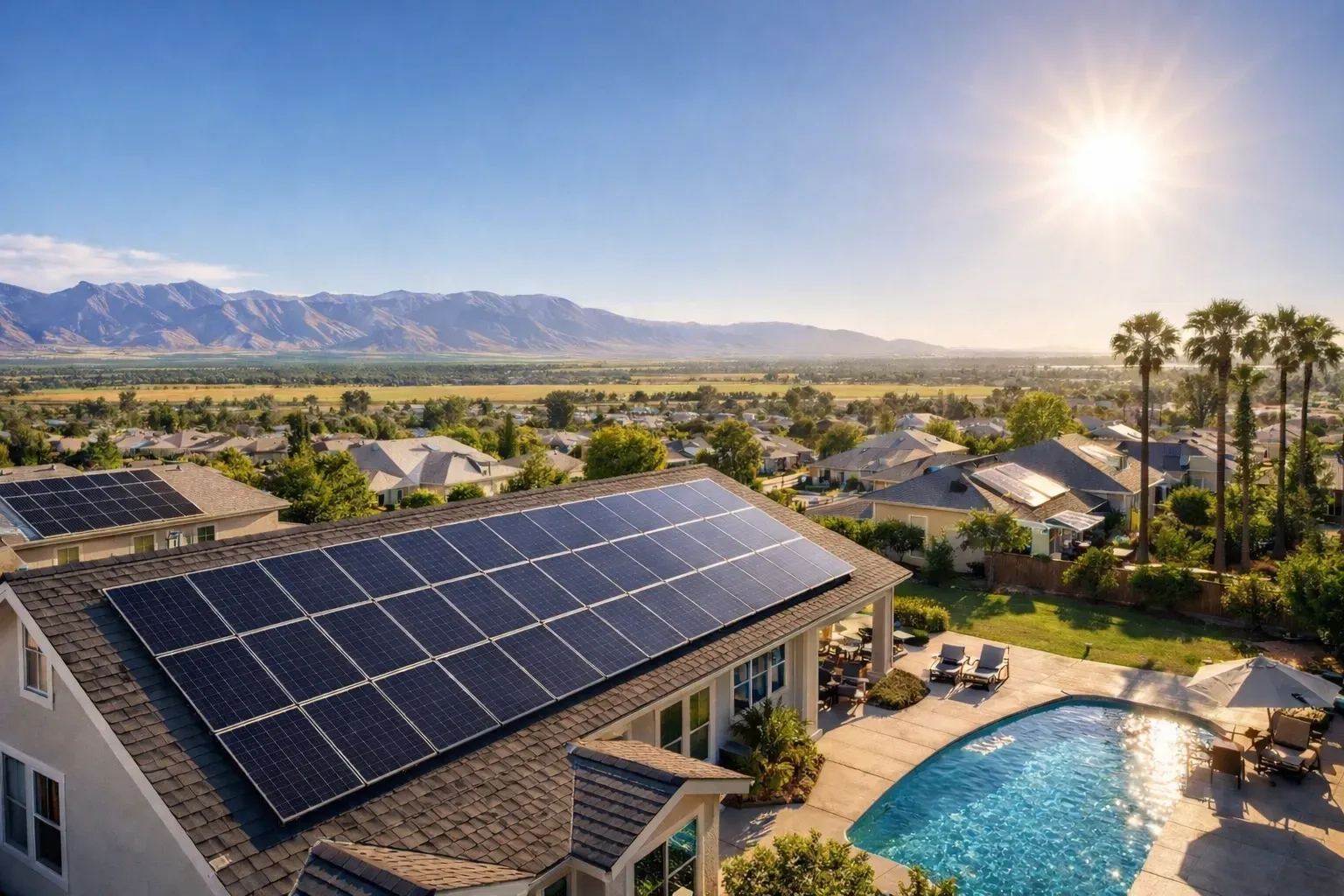
Anyone who's lived in Bakersfield or the broader Central Valley knows what's coming. By late May or June, we're staring down triple-digit temperatures that don't let up until October. Air conditioners run around the clock, electric bills skyrocket, and everyone collectively groans when they open their PG&E statement.
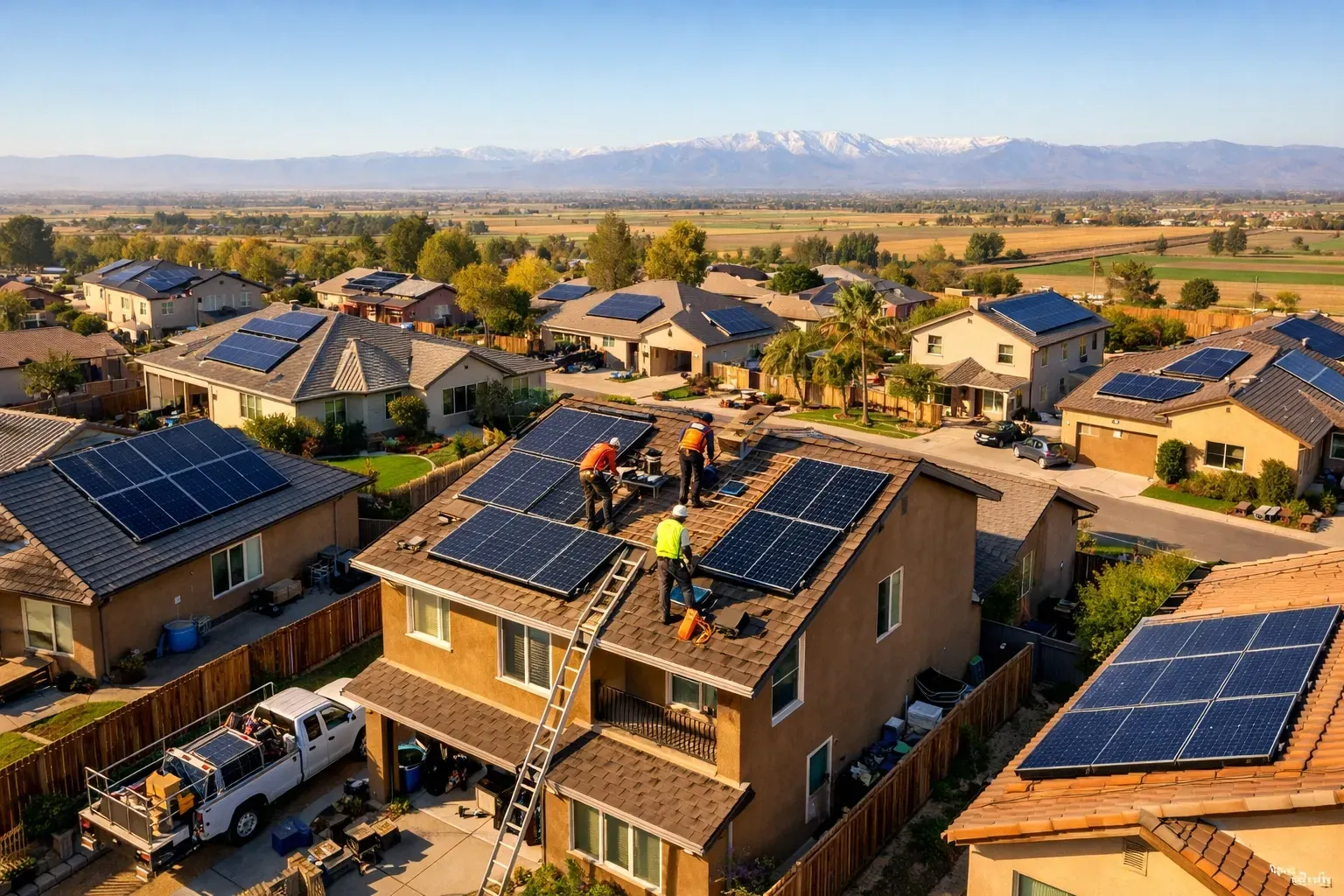
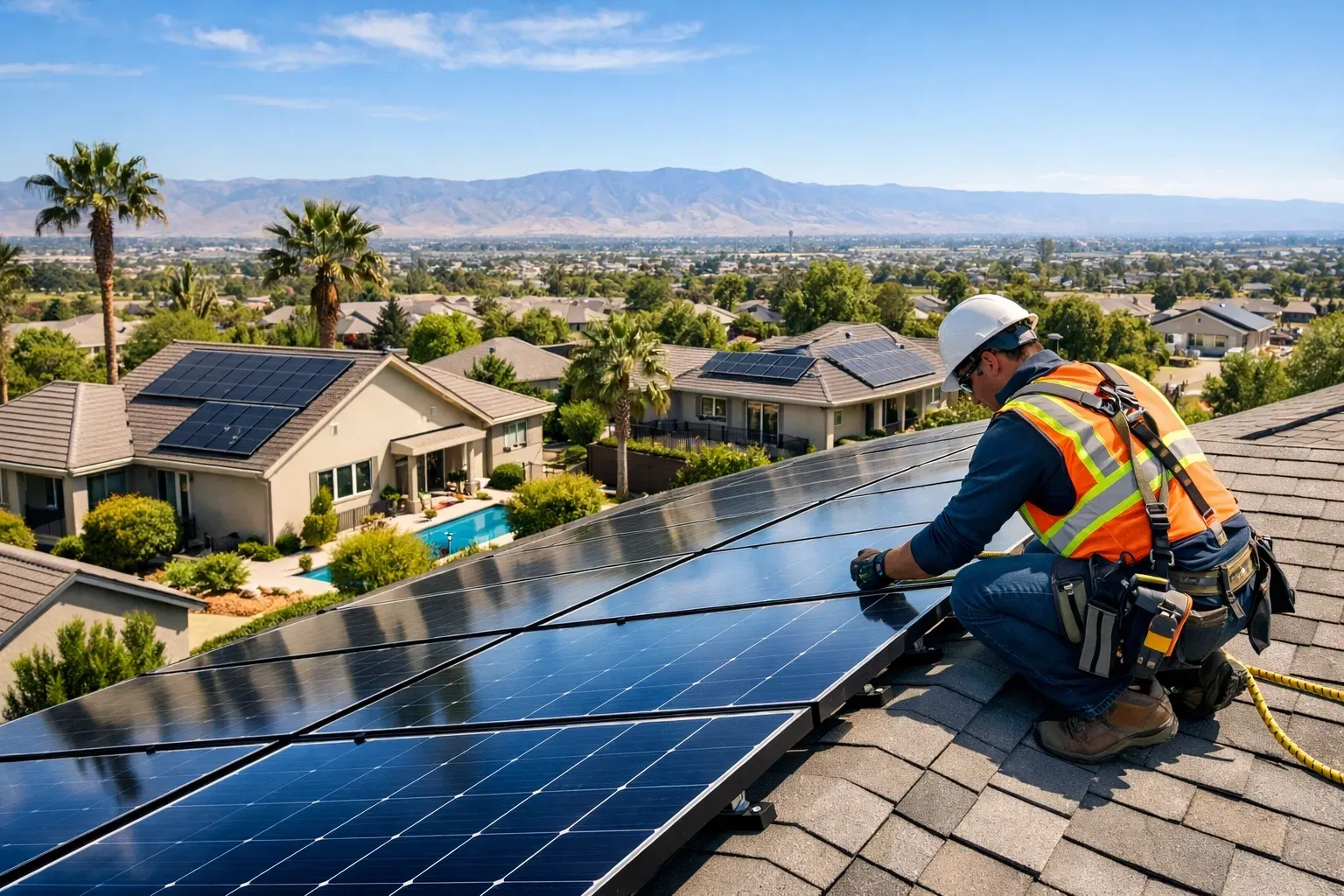
Here's the reality: solar installation isn't a same-day operation. From the moment you sign a contract to the day your system goes live, you're looking at a process that includes site assessment, engineering design, permitting with the city or county, installation, inspection, and finally, permission to operate from your utility company. Even with a streamlined local installer, this typically takes 8 to 12 weeks under normal conditions.
If you start in February, you're positioned to have your system up and running by late April or May: right before the Central Valley turns into a furnace. That means when your neighbors are cranking the AC and watching their bills climb, you're generating free power from the sun and banking savings from day one. Start in May or June, and you're likely looking at an August or September completion date. You've already missed the most expensive months of the year.
The difference is significant. According to energy usage patterns in the Central Valley, a typical household can see electric bills spike 60% to 80% during peak summer months compared to mild spring weather. Getting your solar system operational before that surge means you immediately capture those high-value savings instead of paying full retail rates to the utility company.
Installers Get Slammed in Late Spring: Beat the Backlog
There's a predictable pattern in the solar industry that repeats every single year. As temperatures rise and people receive their first painful summer utility bill, phone lines light up with homeowners desperate to get solar installed. By late spring and early summer, quality installers are booked solid, permit processing slows down due to volume, and what should be a 10-week project can stretch to 14 or 16 weeks.
Starting your solar journey in February means you're ahead of that curve. Permit offices aren't overwhelmed yet, scheduling is more flexible, and installation crews can dedicate focused attention to your project without being rushed to the next job. Furthermore, because we're a local operation here in the Central Valley, we're not juggling installations across multiple states or time zones. When you work with Solar Savings Direct, you're working with a team that lives in the same community, understands local permit requirements inside and out, and can move quickly through the process.
Even with our local advantage, our schedule fills up. We're honest about that. Once late spring hits and everyone realizes they should have started months ago, even our capacity gets stretched. February gives you first pick of installation dates, better communication throughout the process, and the peace of mind that comes from not being in a race against the summer heat.
The Local Advantage: Speed, Service, and Availability
One of the biggest differences between working with a local Central Valley installer and a national chain comes down to responsiveness and accountability. When you call Solar Savings Direct, you're talking to people who understand Kern County permitting, who know how local utility interconnection works, and who will be here for ongoing maintenance and support.
National companies often subcontract installation work to regional crews, which can lead to communication delays, longer timelines, and difficulties getting service after the sale. We've heard countless stories from homeowners who went with a big-name installer only to find themselves stuck in customer service limbo when they had questions or needed support.
Because we're local, we can move faster. We have established relationships with local permitting offices, we're familiar with common roof types and electrical setups in Central Valley homes, and we're available for follow-up without needing to coordinate across state lines. That speed advantage is especially valuable in February when you're trying to beat the summer rush.
However, even with our local efficiency, our capacity isn't unlimited. As we move into March and April, our installation schedule begins to fill. Starting conversations now ensures you get priority placement and aren't pushed back into the peak heat of summer.
Why Waiting Costs More Than You Think
The psychology of "waiting for the right time" is understandable. Solar is a significant investment, and it's natural to want everything to feel perfect before moving forward. But in practical terms, waiting rarely makes financial sense once you've decided solar is right for your situation.
Every month of delay means another utility bill at full retail rates. It means missing out on optimal production months.
Moreover, utility rates aren't static. PG&E and other California utilities have consistently increased rates year over year, often by 5% to 8% annually. By locking in your solar investment now, you're essentially fixing a significant portion of your energy costs for the next 25+ years. The longer you wait, the more expensive that baseline utility cost becomes, and the more you'll wish you'd acted sooner.
Take Control of Your Energy Future This February
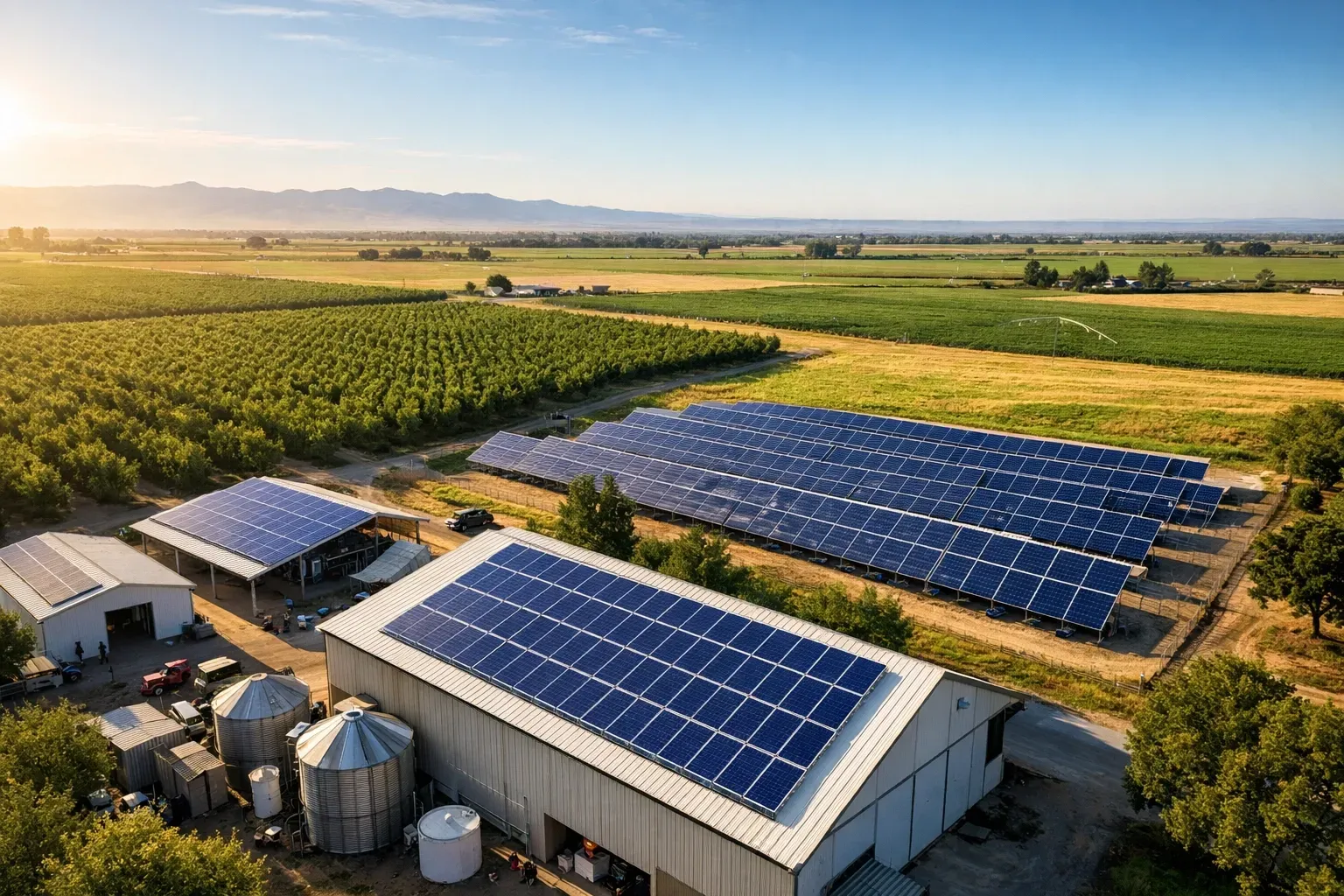
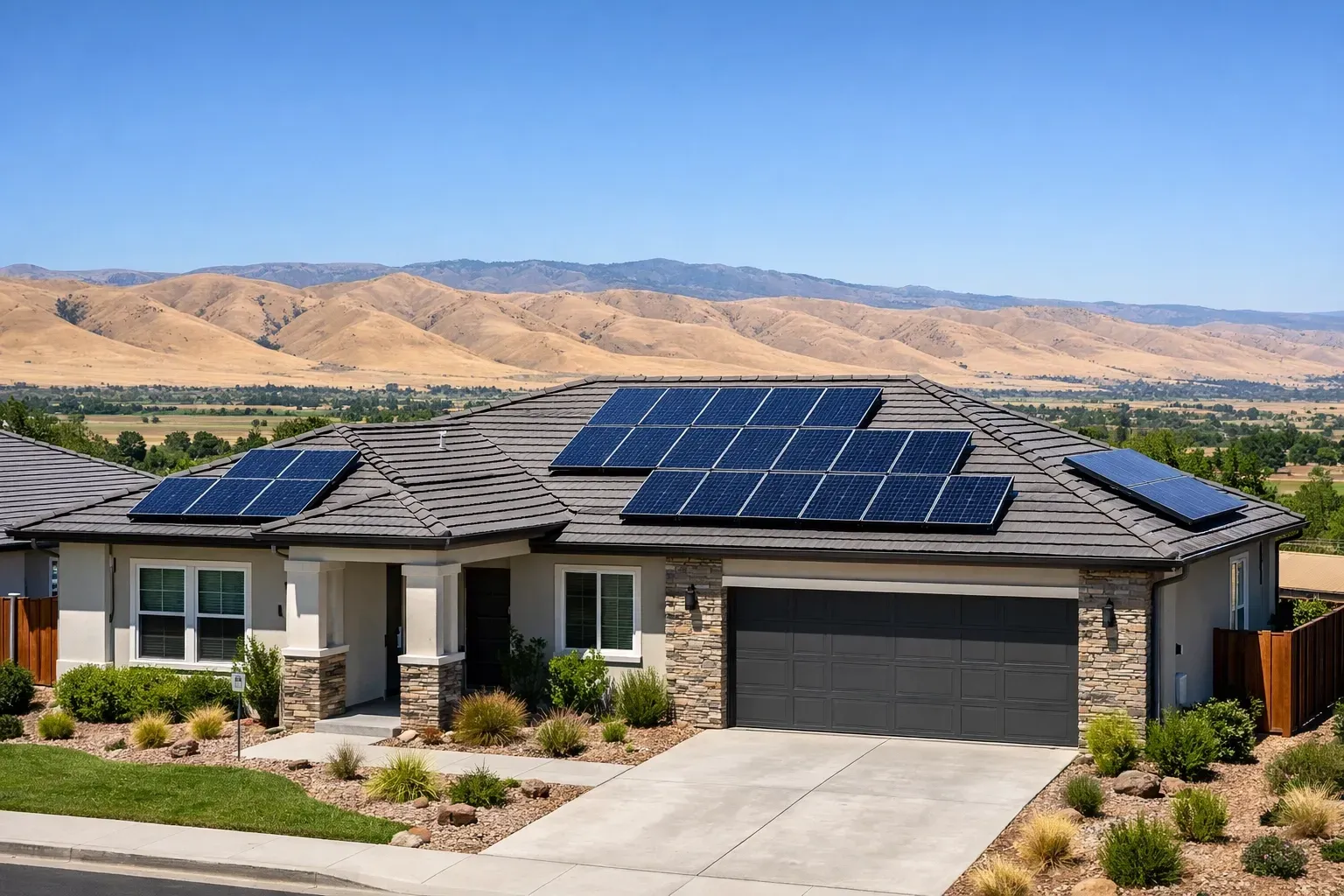
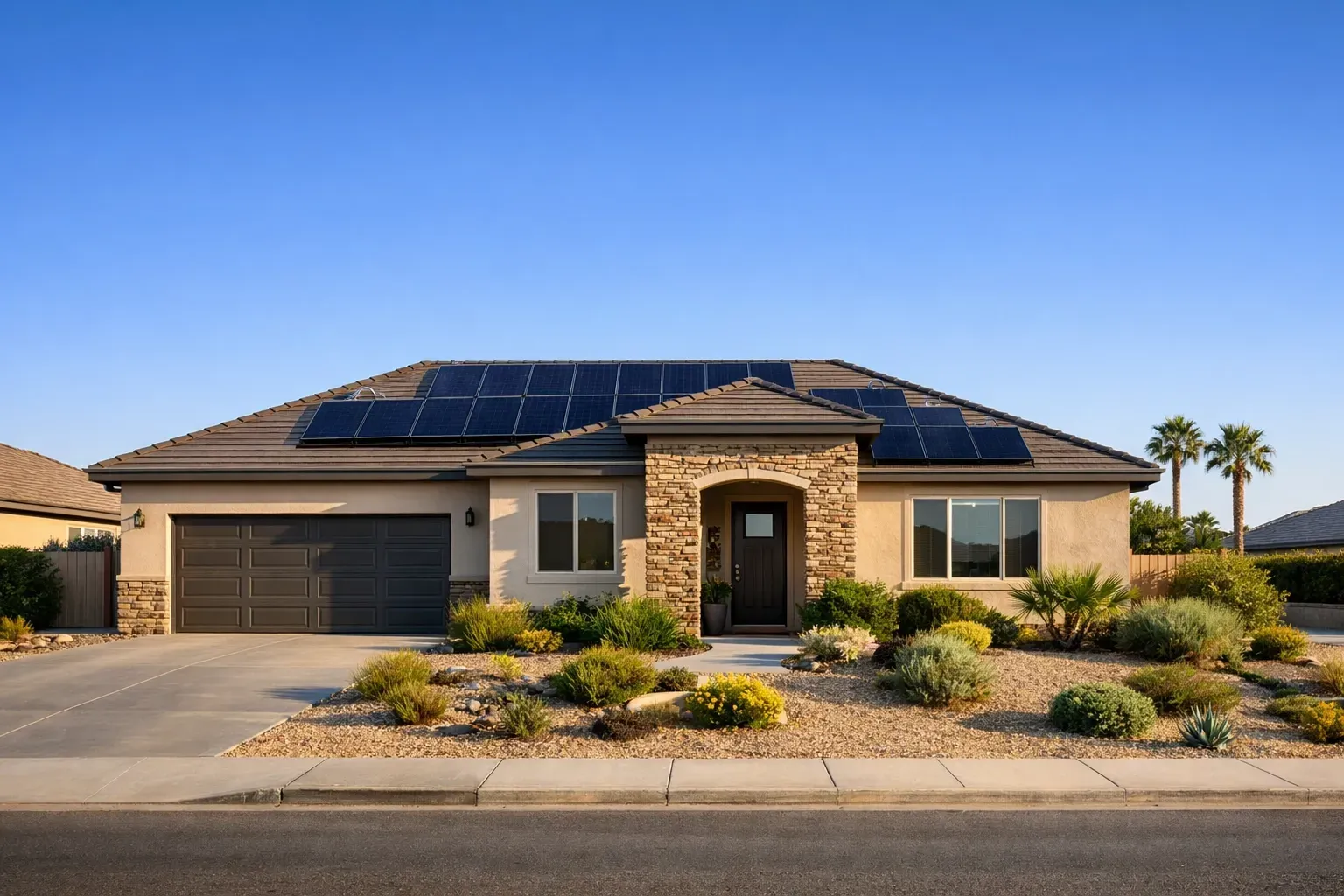
The Central Valley's relentless summer heat is coming whether we're ready or not. The question isn't if you'll face those scorching months and the massive electric bills that come with them: the question is whether you'll face them with solar panels generating free power on your roof, or whether you'll be scrambling with everyone else to get a spot on an installer's waiting list.
February offers a rare convergence of advantages: manageable installation timelines, available scheduling, critical financial incentives still in place, and the ability to have your system operational before the expensive summer months arrive. It's the kind of strategic timing that separates homeowners who maximize their solar investment from those who end up wishing they'd started sooner.
At Solar Savings Direct, we've watched this pattern repeat year after year. The homeowners who act in late winter and early spring consistently have better experiences, capture more first-year savings, and avoid the stress of rushed timelines.
Ready to beat the spring rush and secure your spot? The first step is simple: request a free quote and let's discuss what a solar system tailored to your Central Valley home would look like. We'll walk you through the entire process, answer your questions, and show you exactly how starting now can position you for maximum savings and minimum hassle.
The secret season is here. Let's make it count.


Share On: