
Is Solar Still Worth It in Bakersfield? The Truth About Utility Rates & NEM3.0
The Reality of Rising Utility Rates in the Central Valley
Let's talk about the elephant in the room: your electric bill. PG&E has implemented consistent rate increases over the past several years, and Bakersfield homeowners are bearing the brunt of these hikes. With summer temperatures regularly pushing past 105 degrees in the 661, running your AC isn't optional: it's a survival necessity.
The typical Bakersfield household now pays significantly more per kilowatt-hour than they did just five years ago, and these increases show no signs of slowing. PG&E's tiered rate structure means that the more electricity you use, the higher your rate per unit becomes. During those brutal July and August months when your AC is working overtime, you're paying premium prices for every degree of comfort.
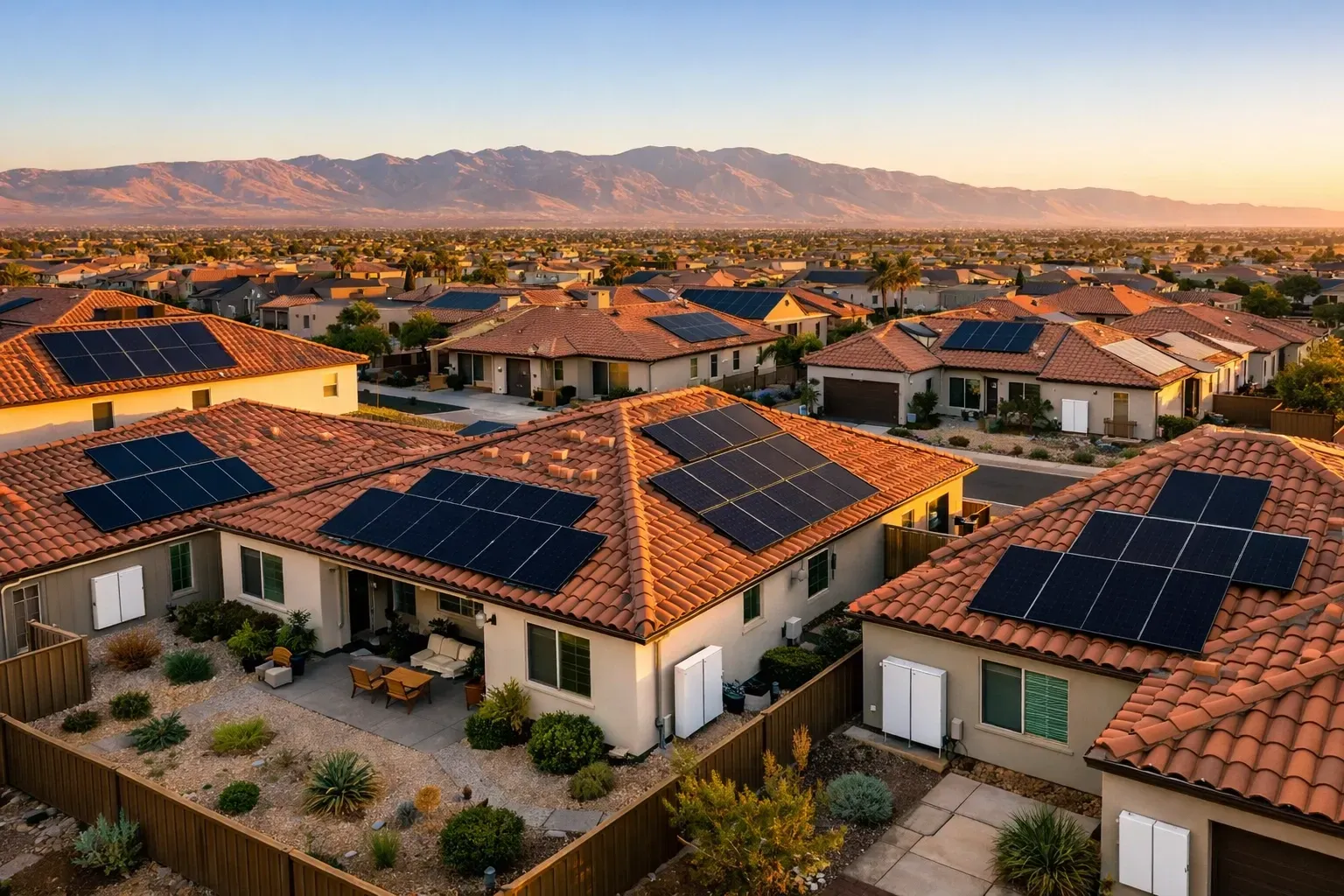
This is where solar fundamentally changes the equation. By generating your own electricity, you're effectively locking in your energy costs for the next 25+ years. While your neighbors continue to see their bills climb year after year, your solar system provides consistent, predictable energy production that shields you from utility rate volatility.
Understanding NEM 3.0 and What Changed
California's Net Energy Metering (NEM) program underwent a significant transformation with NEM 3.0. Under the previous NEM 2.0 policy, homeowners received full retail credit for excess solar energy sent back to the grid. If you generated more electricity than you used during the day, you'd get a one-to-one credit applied to your evening or nighttime usage.
NEM 3.0 changed that calculation dramatically. Now, the compensation for sending excess solar energy back to the grid has been reduced to roughly 75% less than what it was under NEM 2.0. This means that simply oversizing your solar array and banking credits is no longer the most effective strategy.
However, this doesn't mean solar is less valuable: it means the approach needs to evolve. The policy shift was designed to encourage battery adoption and more intelligent energy consumption patterns, which actually creates better energy independence and resilience for homeowners.
Batteries: The New Secret Sauce for ROI
Here's where things get interesting. With NEM 3.0's reduced export credits, the financial sweet spot has shifted toward solar-plus-storage systems. Rather than sending your excess daytime solar production back to the grid for minimal compensation, you store that energy in batteries for use during peak evening hours when electricity is most expensive.
Think about your typical summer day in Bakersfield. Your solar panels are cranking out maximum production from 10 AM to 4 PM when the sun is blazing. But your heaviest electricity usage happens from 4 PM to 9 PM when you're home from work, cooking dinner, and running the AC at full blast to combat the lingering heat.
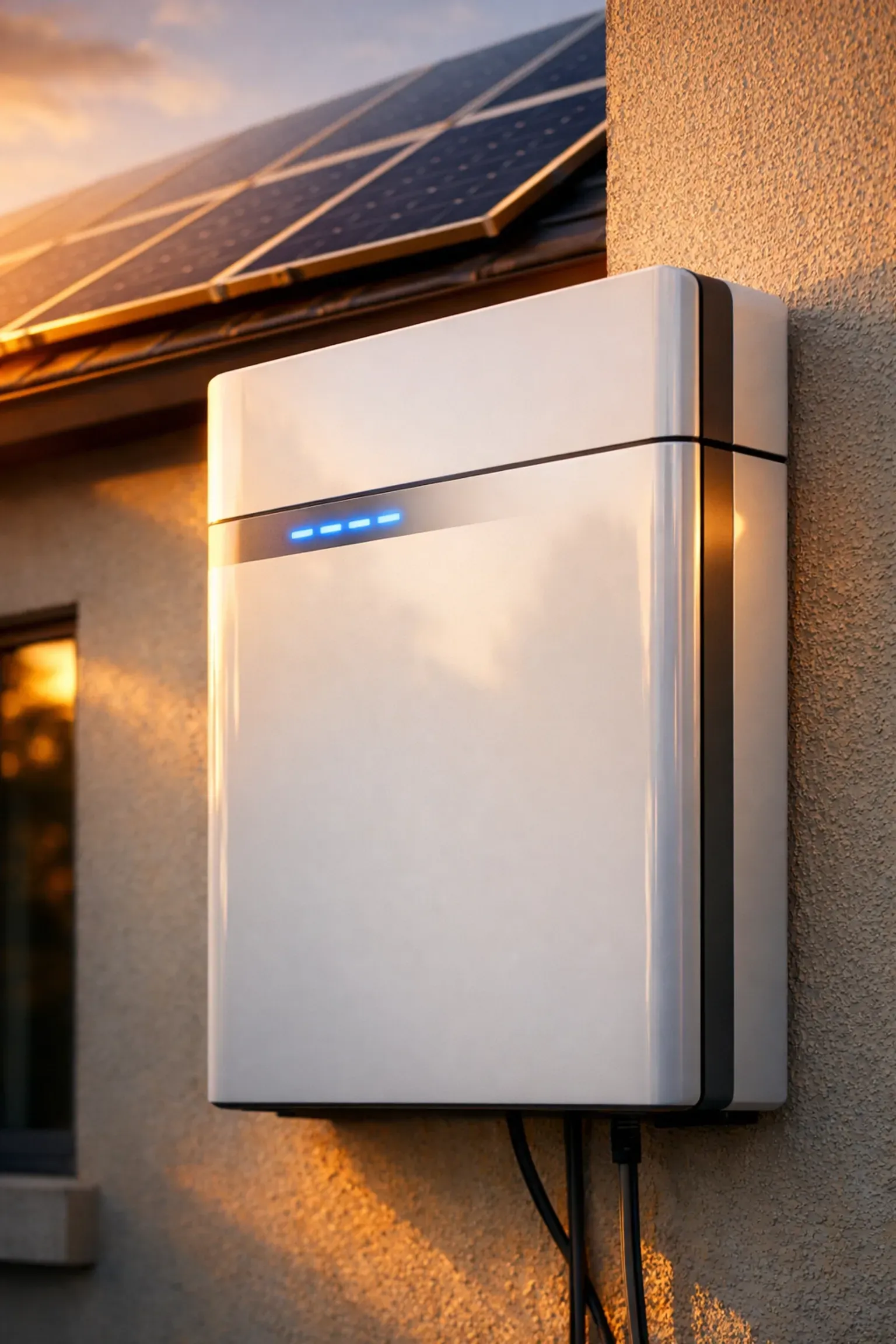
With a properly sized battery system, you capture that abundant midday solar production and deploy it strategically during those expensive evening peak hours. You're essentially using your own stored energy instead of buying it from PG&E at premium rates. This self-consumption model often delivers better economics than the old grid-export approach, especially when you factor in PG&E's Time-of-Use rate structures.
Modern battery systems from manufacturers like Tesla, and Enphase offer impressive storage capacity and intelligent management systems that automatically optimize when to store, use, or export your solar energy. The technology has matured significantly, with 10-year warranties becoming standard and systems that can power your essential loads for hours or even days during outages.
Long-Term Savings That Compound Over Time
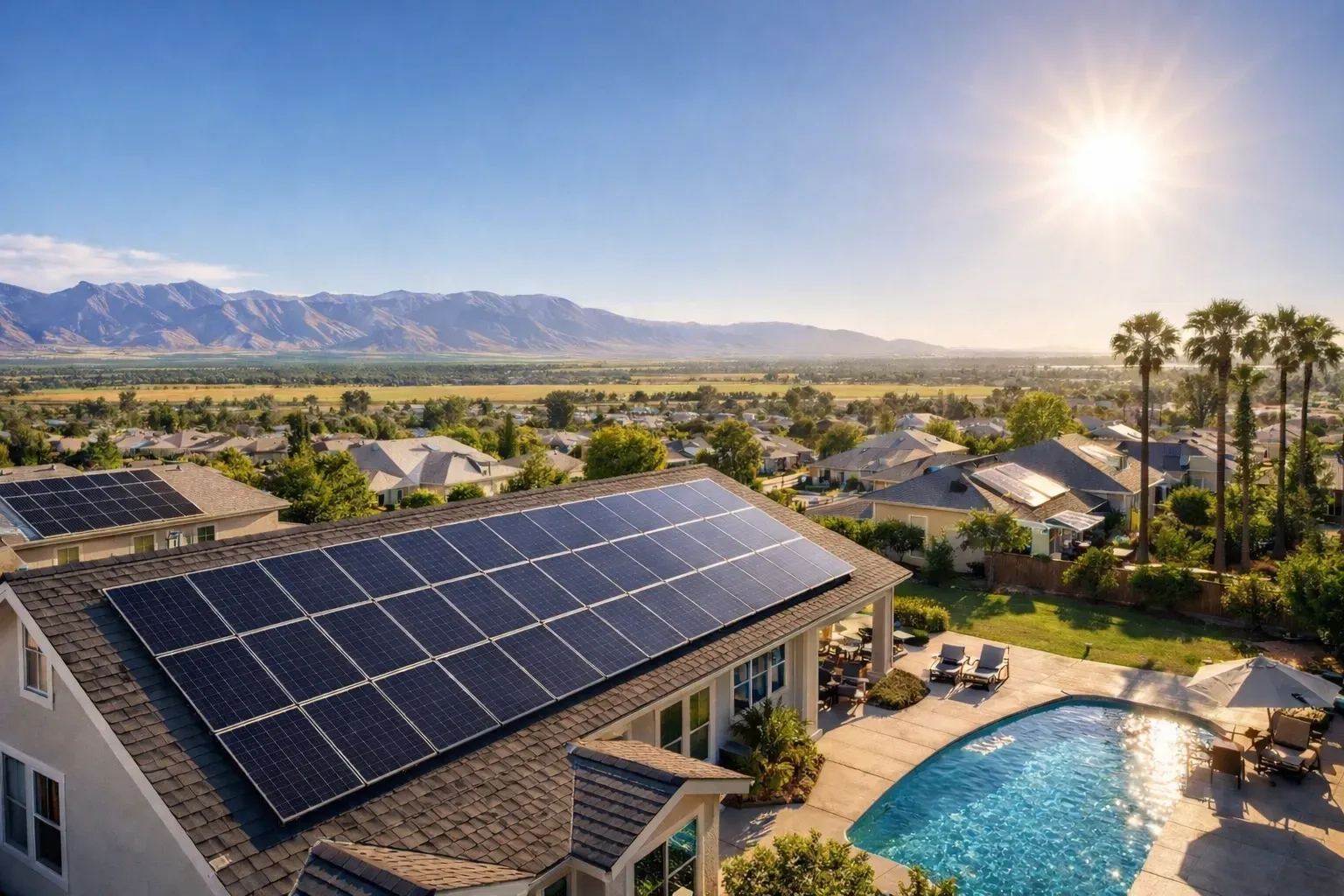
Even with the NEM 3.0 changes, the math on solar remains compelling for Bakersfield homeowners. A typical residential solar installation: especially when paired with battery storage: can offset 80-100% of your annual electricity costs. Over a 25-year system lifespan, that translates to tens of thousands of dollars in savings.
Consider this scenario: A Bakersfield homeowner with a $250 monthly summer electric bill invests in a solar-plus-storage system. With proper system sizing and battery integration, they reduce their annual electricity costs by $2,800. Over 25 years, assuming conservative 3% annual utility rate increases, that's over $100,000 in total savings. The system typically pays for itself within 7-10 years, then continues generating free electricity for another 15+ years.
Furthermore, solar panels require minimal maintenance and come with performance warranties that guarantee production levels for decades. Once your system is paid off, you're essentially enjoying decades of near-zero electricity costs while your neighbors continue to see their bills climb year after year.
Property Value Increases You Can Bank On
Beyond monthly savings, solar installations consistently boost home values in the Central Valley real estate market. Studies have shown that homes with solar systems sell faster and command premium prices compared to similar homes without solar.
Bakersfield homebuyers are increasingly savvy about energy costs, especially given our climate extremes. A home with an owned solar system (not leased) represents immediate value: buyers recognize they're inheriting lower utility bills and protection against future rate increases. Real estate appraisers and agents consistently note that solar-equipped homes have a competitive advantage in the market.
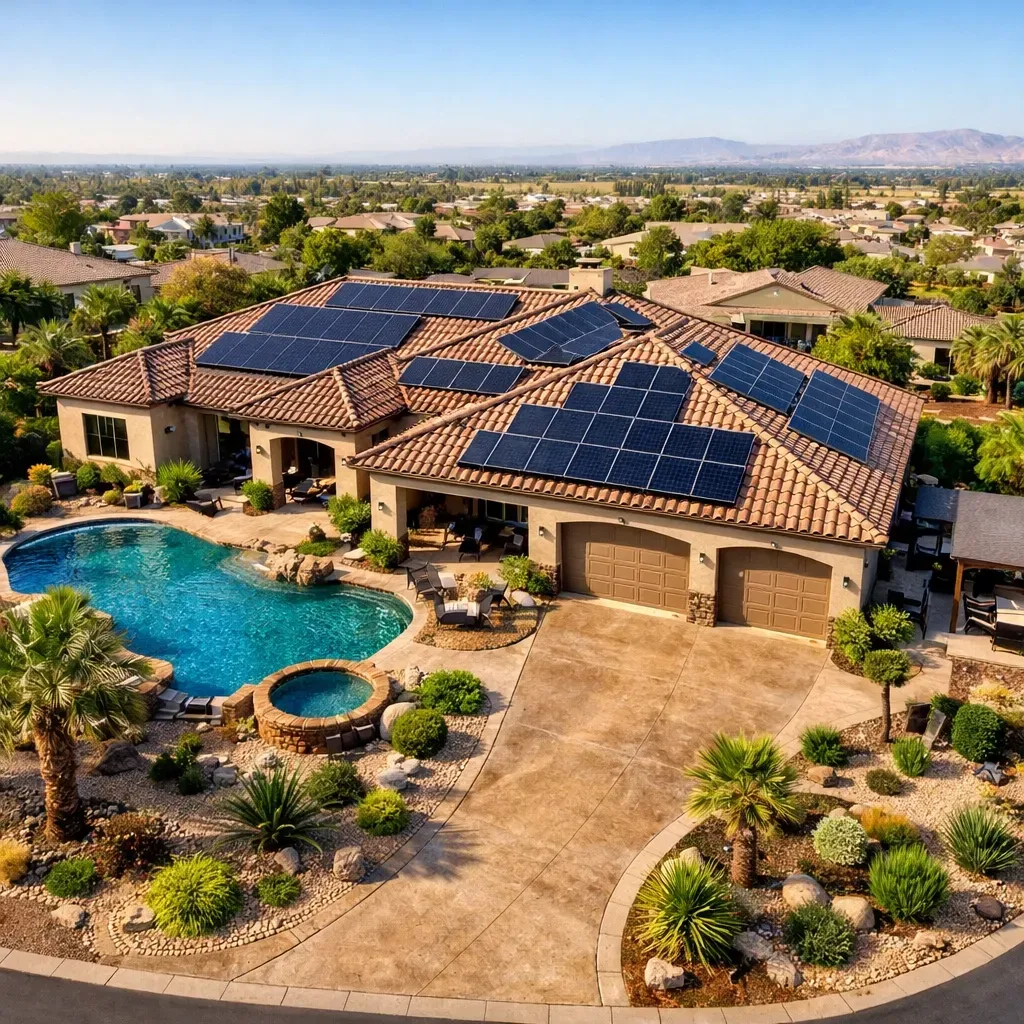
The value increase often exceeds the net cost of the system installation, meaning you can potentially recoup your entire investment through increased property value while enjoying years of reduced electricity bills in the meantime.
Energy Independence During Valley Heat and Blackouts
Perhaps one of the most underappreciated benefits of solar-plus-storage in Bakersfield is the resilience it provides during power outages. PG&E has increasingly implemented Public Safety Power Shutoffs (PSPS) during high fire-risk conditions, and grid reliability concerns continue to make headlines.
When temperatures soar above 110 degrees and the grid goes down, having battery backup isn't just about convenience: it's about safety and comfort. A properly configured battery system can keep your refrigerator running, maintain some level of air conditioning, and power essential devices during extended outages.
For families with elderly members, medical equipment, or young children, this energy independence provides genuine peace of mind. You're not relying on the utility company's timeline for restoration: you're producing and storing your own power on-site.
Local Expertise Makes All the Difference
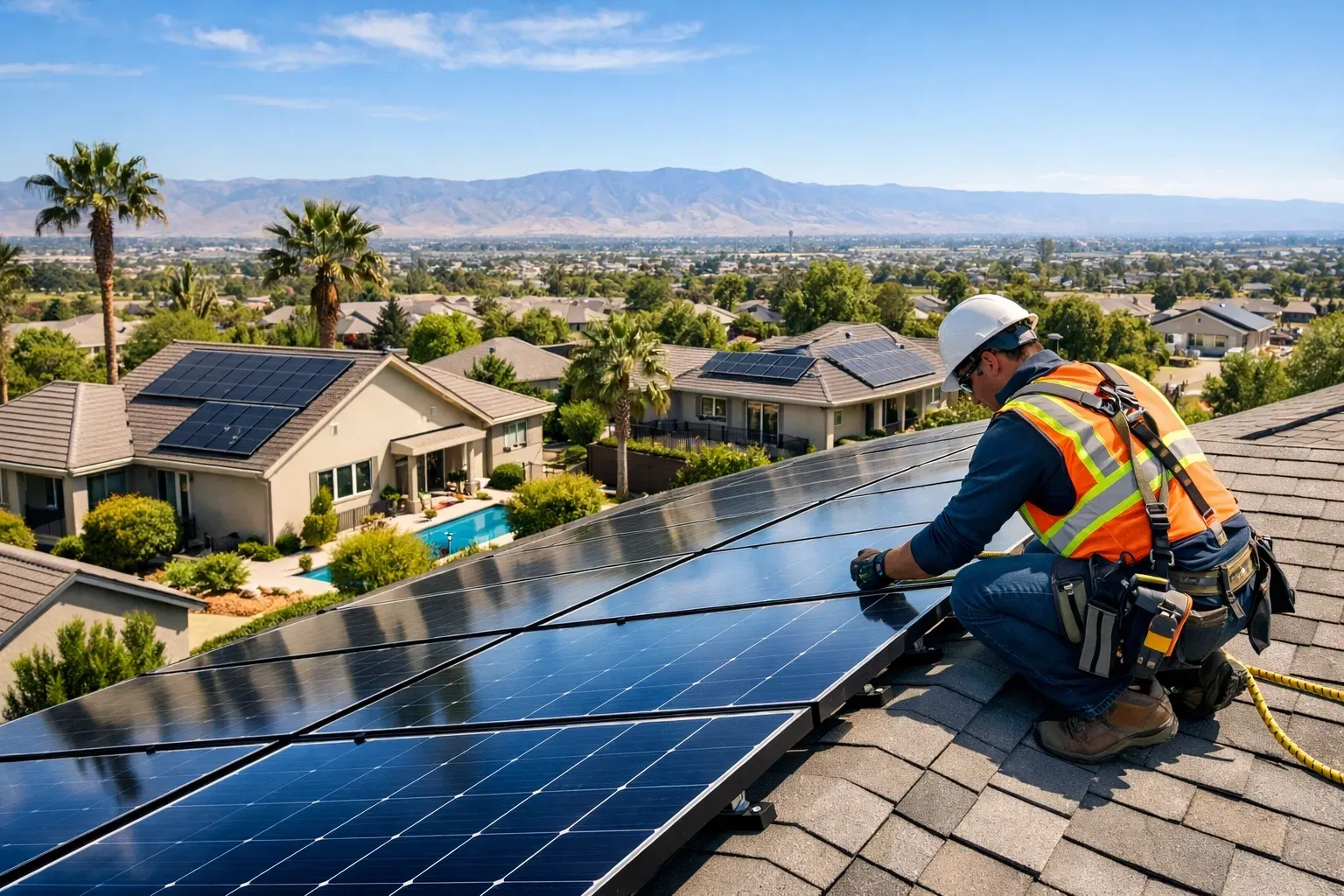
The complexity of NEM 3.0 and the importance of proper system design means that working with experienced, local solar professionals has never been more critical. A company that understands Bakersfield's unique climate conditions, utility rate structures, and typical consumption patterns can design a system optimized for your specific situation.
Oversizing or undersizing your array, selecting the wrong battery capacity, or failing to properly configure your system for Time-of-Use optimization can significantly impact your return on investment. Local installers who've completed hundreds of Central Valley installations understand the nuances that make or break system performance in our extreme heat.
Moreover, locally owned companies provide accessible long-term support. When you have questions about your system performance or need service down the road, working with a team that's based in the 661 means faster response times and better ongoing support.
The Bottom Line for Bakersfield Homeowners
So, is solar still worth it in Bakersfield after NEM 3.0? Absolutely: but the winning strategy now emphasizes intelligent energy storage and consumption rather than simple grid export. By pairing solar panels with battery systems and optimizing for self-consumption during peak rate periods, homeowners can achieve excellent returns while gaining energy independence and resilience.
Rising utility rates aren't going away, and neither are Bakersfield's sweltering summers. Solar-plus-storage provides a proven path to taking control of your energy costs, protecting your home's value, and ensuring comfort and safety during grid disruptions. The technology has never been more reliable, and financing options make these systems accessible to a wide range of homeowners.
Ready to see how solar can work for your Bakersfield home under the current policies? Solar Savings Direct specializes in designing optimized systems for Central Valley homeowners, with expertise in navigating NEM 3.0 and maximizing your investment through smart battery integration. Request a quote today and discover your personalized path to energy independence.


Share On: