
How Roof Slope Impacts Both Solar Panel Power and ROI
When considering a solar energy system for your home, many homeowners focus first on the cost of installation and the long-term financial benefits. While those elements are extremely important, few people realize how the physical characteristics of their roof can dramatically influence both the power output of a solar panel system and the return on investment. Roof slope, also known as pitch, plays a major role in how much energy your solar array produces each year.
Understanding Roof Slope and Solar Panel Performance
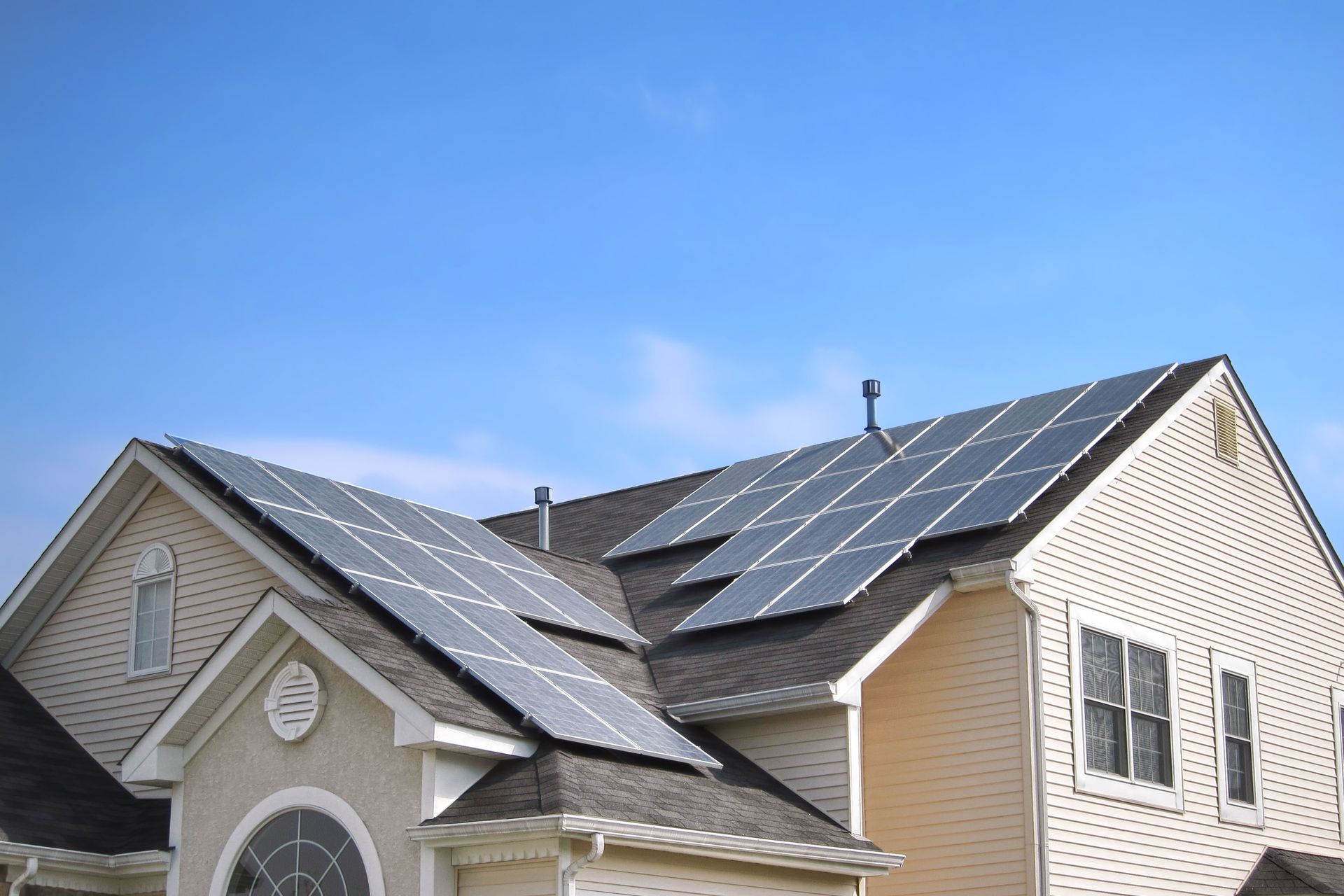
Roof slope refers to the angle of the roof relative to a flat, horizontal surface. This angle determines how sunlight strikes the solar panel throughout the day and across different seasons. A roof that is too flat can cause panels to collect less sunlight because the sun’s rays don't hit the surface at an optimal angle. Conversely, a roof that is too steep could increase shading issues from nearby trees or reduce energy collection during certain times of the year.
According to the U.S. Department of Energy, solar panels achieve their highest efficiency when installed on south-facing roofs that have a pitch ranging from 15 to 40 degrees. This range allows the panels to capture as much sunlight as possible throughout the year and maximizes energy generation.
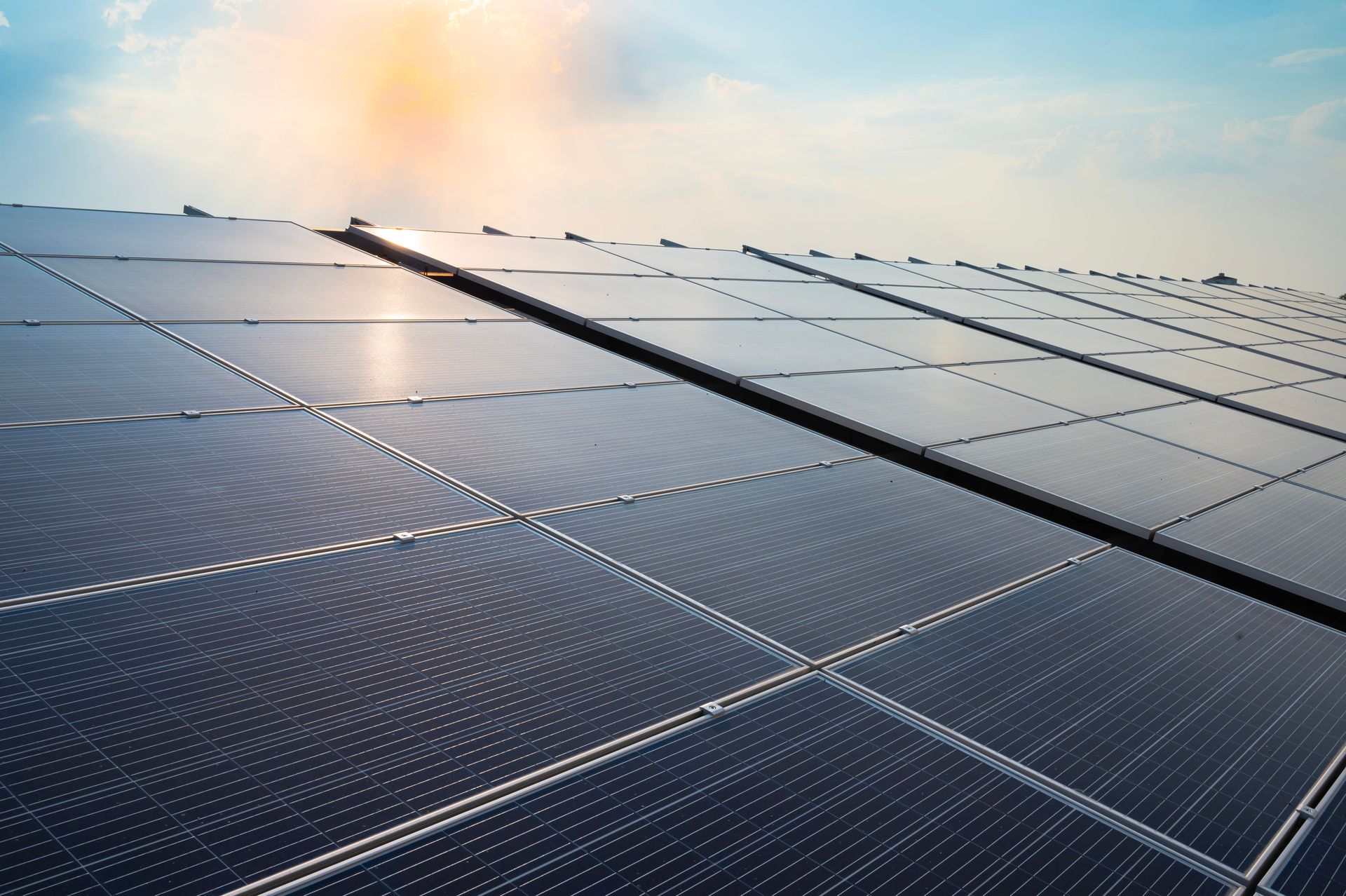
Solar panel efficiency is directly tied to how much sunlight is converted into usable electricity. With the right roof slope, your panels can harvest more sunlight during peak hours. This increased energy generation means greater power output from the same number of panels. When your solar panel system captures sunlight more effectively, it not only reduces your monthly utility bills but also increases the overall return you receive on your investment. For this reason, Solar Savings Direct, Inc takes roof slope into careful consideration during our initial assessments.
Analyzing Yearly Energy Output
The amount of energy a solar panel system produces over the course of a year is critical to understanding the system’s value. Roof slope impacts seasonal performance because the angle of the sun changes as the Earth moves through its yearly orbit. In winter, the sun is lower on the horizon, and in summer, it rises higher. A roof with an appropriate slope will capture sunlight more consistently throughout the year, whereas a roof with a poor slope could lead to significant seasonal dips in energy production.
When a roof slope matches the ideal range suggested by solar professionals, energy output increases because the panels receive more direct sunlight. Direct sunlight leads to higher voltage and current generation in the panels, pushing your system to produce more kilowatt hours. This improved performance isn’t a small adjustment; it can mean the difference between a system that pays for itself quickly and one that underperforms expectations.
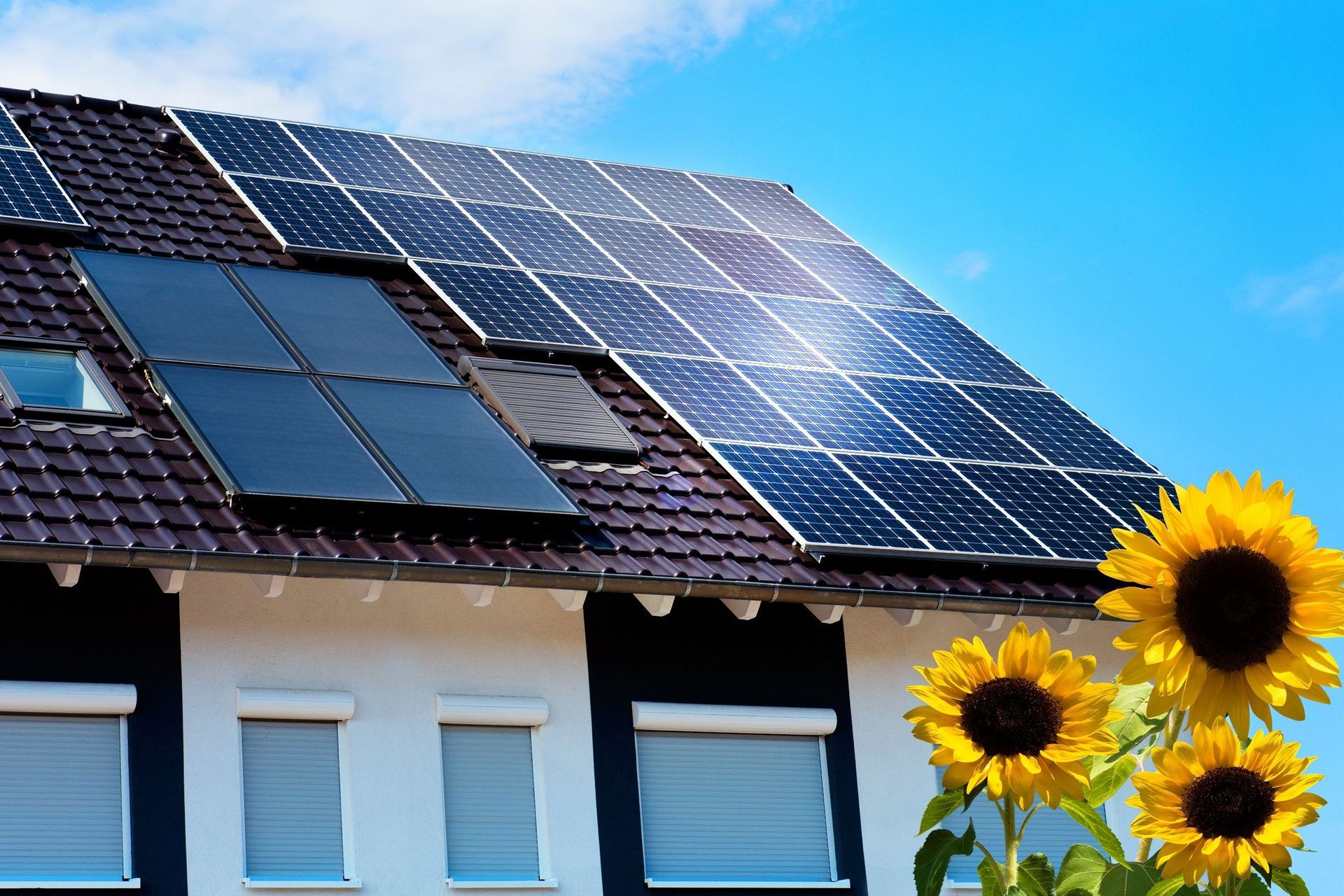
We consider both the orientation and the angle of your roof. Roofs that are on the southern side of a home typically receive the most consistent sunlight throughout the day, which is beneficial. Pair that orientation with the right slope, and you have a solar panel installation that works harder and lasts longer.
Exploring Financial Return on Investment
No matter how environmentally friendly a solar panel system is, most homeowners want to understand how quickly they'll see a financial return. The return on investment in solar depends on how much energy the system produces relative to its cost. Roof slope impacts this equation because it affects how much electricity the system can generate. More generation means more savings on utility bills.
If your roof slope is too shallow or too steep, your solar panel system may not deliver the expected energy output. That lower performance translates directly into reduced financial returns. A less optimal angle can cost homeowners thousands of dollars in unrealized energy savings over the lifetime of the system. With the right slope, however, you can see a strong payoff as the solar array works at peak capacity.
In addition to the energy production itself, a roof slope that improves solar performance can enhance the valuation of your home. Homebuyers increasingly view solar panel systems as desirable features. A roof that aligns with the ideal orientation and slope signals a well-planned solar investment that future homeowners are likely to appreciate. For many homeowners, this added value can be a decisive financial advantage when they choose to sell.
Investigating Long-Term System Maintenance
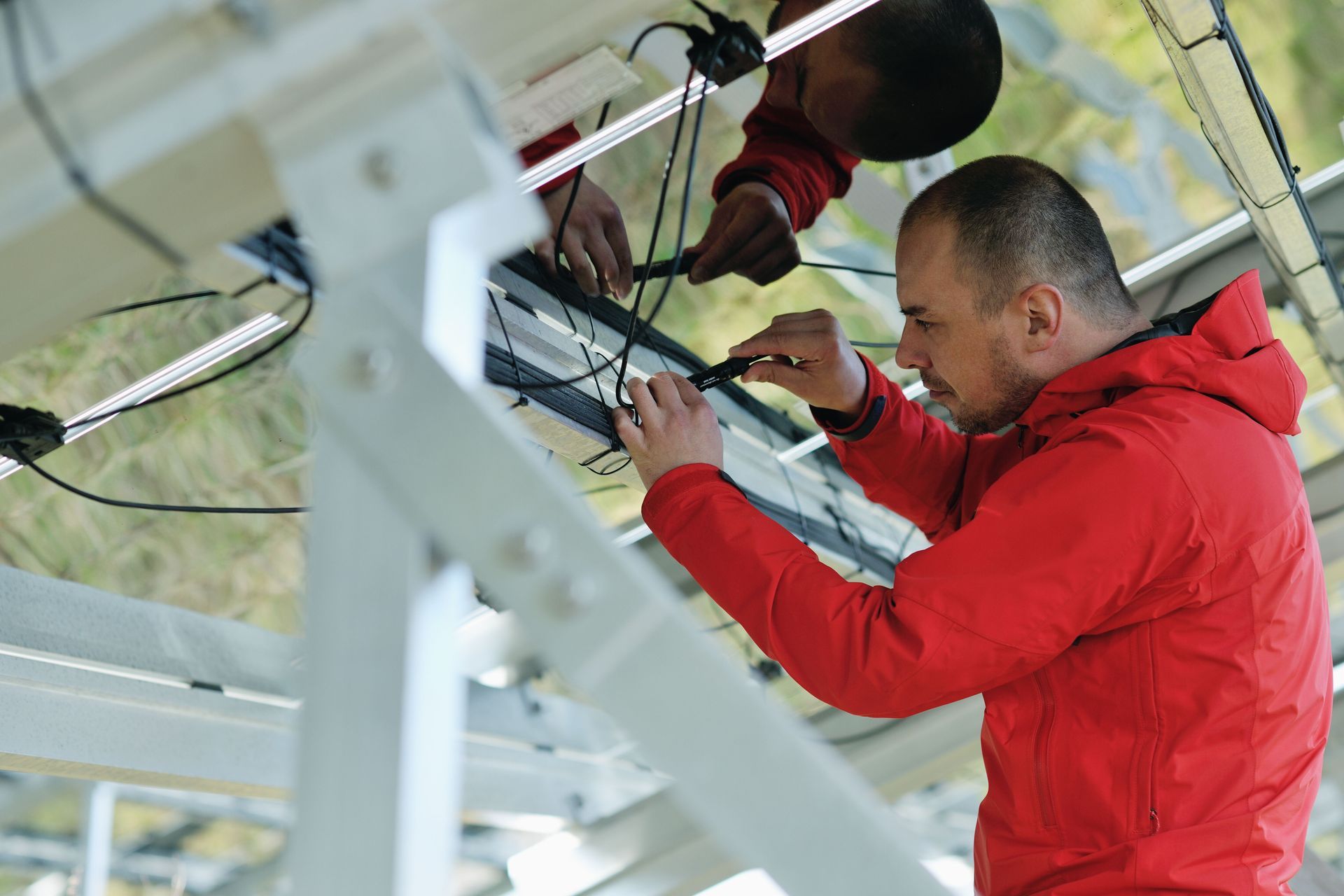
Roof slope also matters when it comes to maintaining your solar panel system. Panels installed on roofs with poor slope may collect more dust and debris or shed water less effectively, which can lead to reduced performance over time. Panels that aren't positioned at an appropriate angle might need more frequent cleaning to maintain efficiency because rainwater may not wash away dirt as easily.
In contrast, solar panels on roofs with optimal slope often benefit from more natural cleaning from rain and are less likely to accumulate shading from debris. This natural self-cleaning contributes to consistent performance and reduces the need for maintenance visits. Lower maintenance means fewer interruptions and costs over the life of the system.
We design solar installations that prioritize both performance and ease of maintenance. We educate homeowners about how roof slope can influence long-term upkeep and work with them to choose solutions that not only produce more energy but also simplify ownership. This holistic approach ensures that your solar panel system remains efficient and cost-effective throughout its useful life.
Recognizing Warranty and Insurance Considerations
Solar panel systems involve warranties that cover performance and product life. Roof slope can influence how warranties are applied because extreme angles may place additional stress on the mounting system or panels. Manufacturers sometimes place conditions on warranties that reflect installation standards, including roof pitch. Choosing a roof slope that falls within industry-recommended ranges helps ensure that your warranties remain valid and that your system is protected.
Insurance considerations are also part of the equation. Panels on roofs with very steep slopes may be considered higher risk for damage or harder to access for repairs. This risk can influence insurance premiums or coverage decisions. By selecting a roof slope that aligns with standard solar practices, homeowners often simplify their interactions with insurers and benefit from smoother claims processes if issues arise.
We work with homeowners to navigate these kinds of technical details. We help you understand how roof slope affects not only energy production but also aspects like warranties and insurance that have long-term financial implications. With this knowledge, you can make confident decisions about your solar investment.
Roof slope has a profound impact on the performance of your solar panel system and the financial returns you can expect. From influencing yearly energy output to shaping system design, maintenance, warranties, and even insurance, the pitch of your roof matters in ways many homeowners never consider. Understanding and optimizing roof slope isn't simply a technical detail. It affects how much solar energy you capture, how quickly your system pays for itself, and how much value it adds to your home.
If you're considering a solar panel installation and want to maximize both efficiency and return on investment, it's important to work with a team that understands the integral role of roof slope. Solar Savings Direct, Inc has the expertise and tools to ensure your solar system is designed with performance and long-term value in mind. Contact us today to schedule your personalized solar consultation and start optimizing your roof slope for the highest possible solar returns.
Share On: