How Does Solar Power Positively Impact the Environment?

October 11, 2023

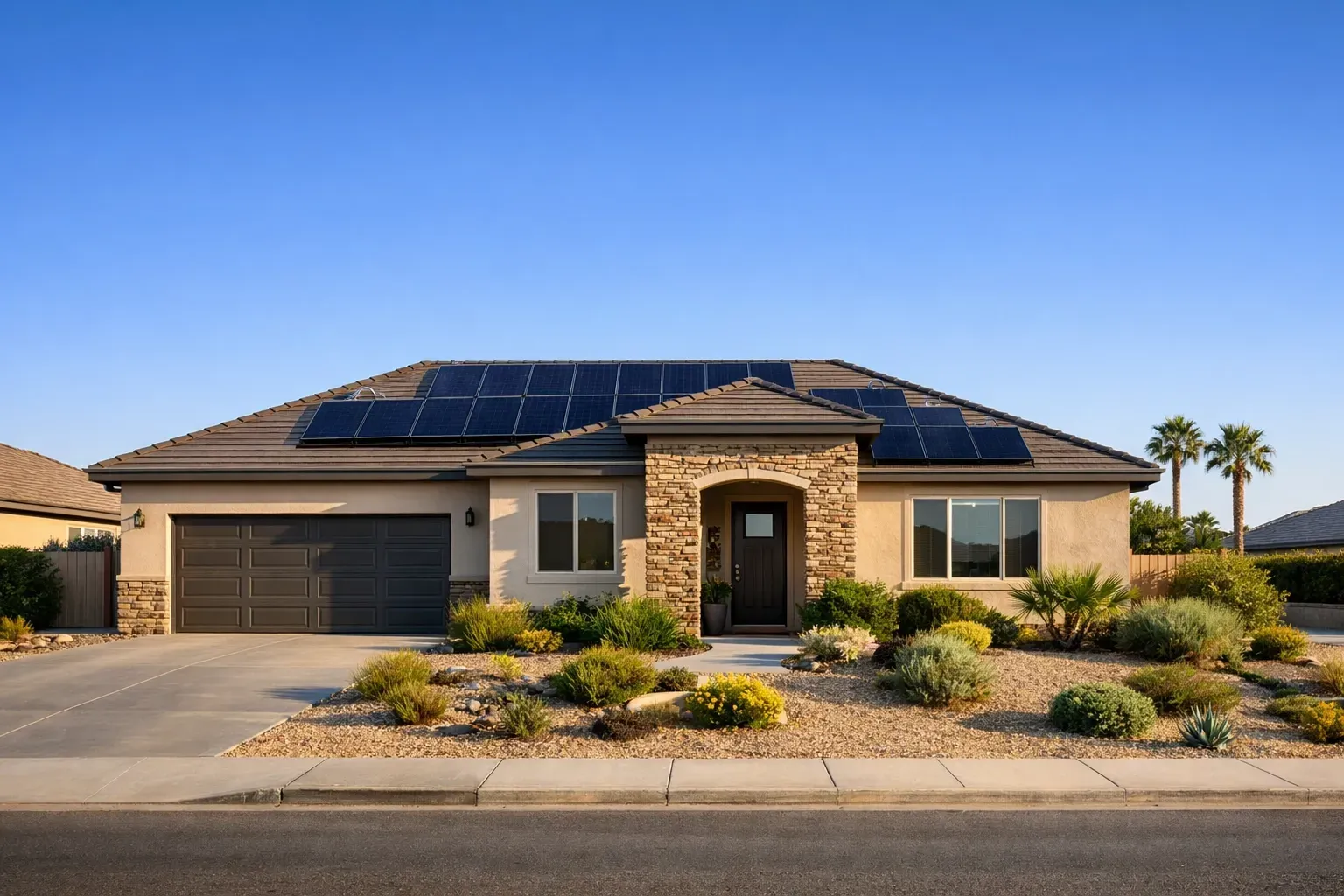
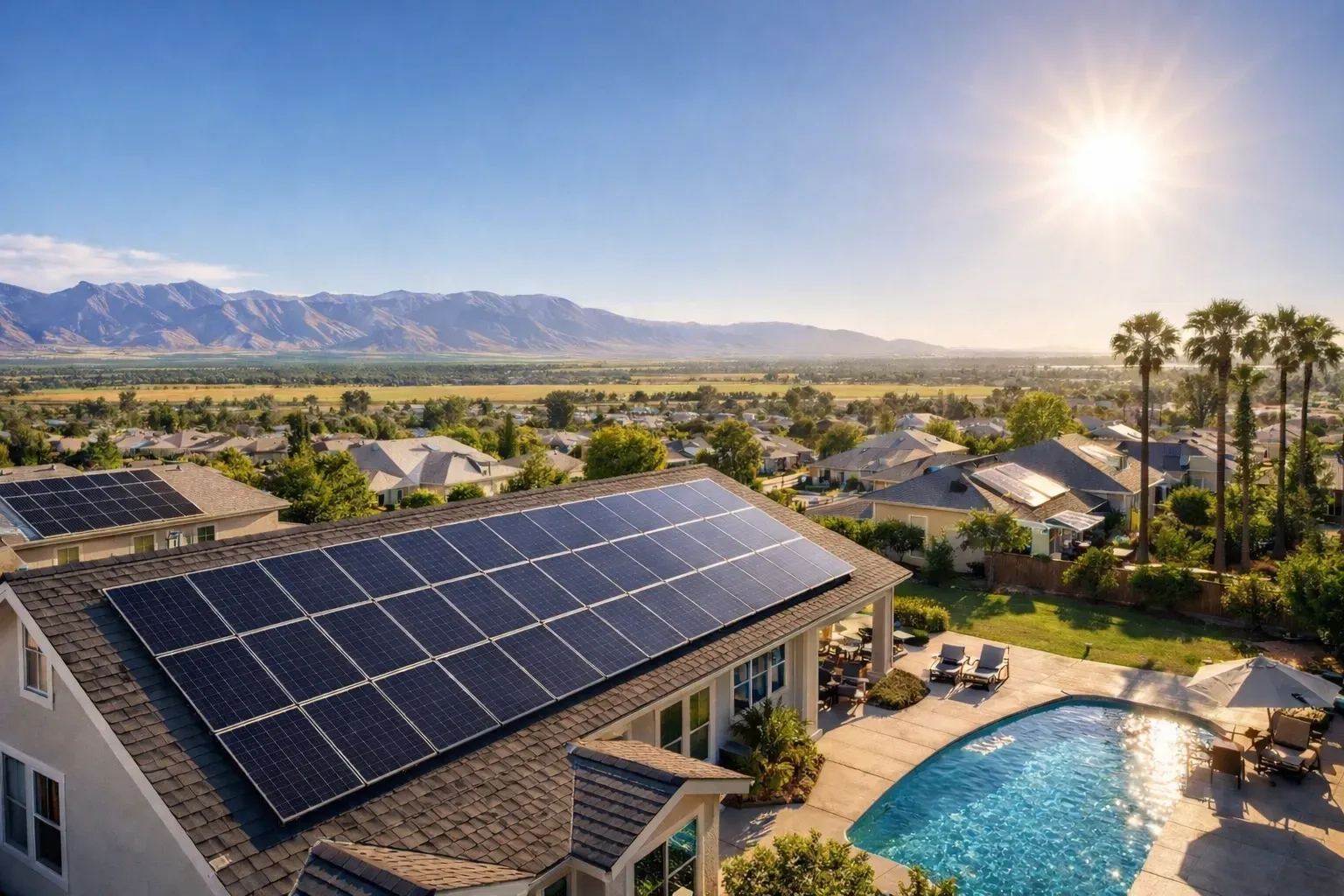
There was a time when solar power was considered a fluke or something someone only had when they lived completely off-the-grid. However, over time, solar energy has become more common. These days, more businesses and homeowners understand the power of clean energy and how it can benefit their homes and livelihoods. The popularity of solar power has increased to the point where there are now government and state incentives for using it. Here are a few ways using this type of clean energy can positively impact humanity and the environment.


Air Pollution


As humans, clean air is a necessity to breathe and live. According to the American Lung Association, when you're breathing in polluted air, it can cause all sorts of health problems, ranging from asthma to cancer. With so many vehicles and factories producing fumes and fuels to create energy, the air we breathe becomes dirtier. Over time, air can become cleaner with the right energy sources, such as solar energy. Solar energy is clean energy that only relies on the sun. It doesn't produce any fuels, gases, smoke, or other harmful elements that linger in the air.


Fossil Fuel Emissions


For decades, the planet has relied on fossil fuels. According to the Natural Resources Defense Council, from the way they're sourced to their final byproducts, such as emission gases, fossil fuels can cause a lot of problems in the atmosphere. Developers get fossil fuels by digging deep into the surface and sometimes use a process known as fracking. Needless to say, it can cause a lot of damage to the surface that may not be repairable.


Whether you're using solar panels or solar skins, there are no harmful emissions involved. Using solar panels instead of fossil fuels to provide electricity to your home helps create a cleaner future for the earth. If you cook at home through your solar-powered stove or oven, you're not burning fossil fuels that can leak into the air.


Climate Change


It's hard to deny the effects of climate change with so many devastating storms constantly hitting different parts of the world. According to the EPA, one of the things that affects climate change is contaminated air, as well as a devastated ozone layer. Gas emissions, such as methane and carbon dioxide, have impacted this layer in the Earth’s atmosphere. With solar energy, that means a lack of gas emissions, and the ozone layer can have a chance to heal.


Recycling


When you opt for solar panels at your home or business, rest assured that you can participate in the planet's recycling efforts. According to Forbes, solar energy systems can last between 25 and 30 years before they lose efficiency. After using your solar panels for two or three decades, you're able to further recycle them so that they don't end up in landfills. According to the EPA, the glass, aluminum, and copper components can be reused.


Water Conservation


So, what does water have to do with solar energy? Water has often been a source of electrical power. However, solar panels don't need to use water at all, since they only need to be aligned with the sun’s rays. In some remote areas, people use solar panels to power water pumps. As a result, they don't have to use diesel generators. According to MIT News, some of these panels are also converting seawater into freshwater that people can drink. In addition, by using solar energy and moving away from fossil fuels, you won't have to worry about devastating oil leaks in nature.


Wildlife and Eco-System Protection


As the planet becomes more reliant on solar power, there’s no need to destroy ecosystems by creating oil drilling facilities. When developers clear out land to drill for oil, that's less space for wildlife to roam. Oil spills in oceans can be devastating to sea life as they not only hurt the habitats but have often killed the animals themselves.


There are many reasons to convert to
solar power. After all, the sun is always there, and as long as it's shining in the sky, you can access its power to energize your home, cars, businesses, and so on. If you're concerned about the environment, solar energy can benefit humans, animals, and ecosystems while protecting the beauty of the planet. Contact Solar Savings Direct, Inc today to learn more about this useful and clean energy source.

March 2, 2026
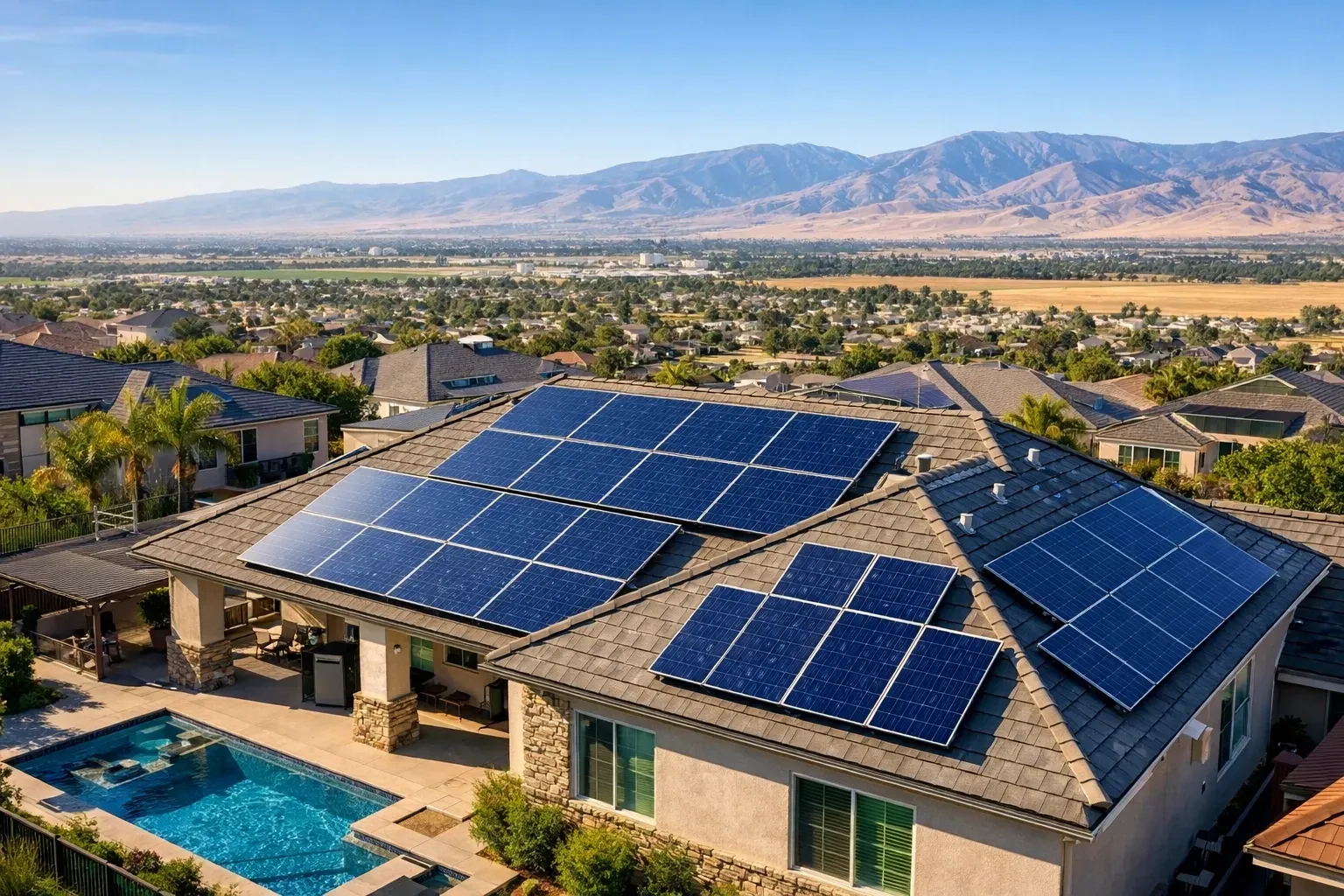
As the landscape of energy production shifts toward decentralized, renewable sources, homeowners in the Central Valley find themselves at a unique advantage. With an average of over 270 sunny days per year, Bakersfield is one of the most prime locations in the country for solar energy harvesting. However, as utility rates continue to climb and the push for energy independence grows, many residents overlook the most fundamental component of a successful solar energy system installation in California: the roof itself. Understanding the factors that dictate a roof’s readiness is critical for protecting your investment. A solar array is designed to last for decades, which means your roofing structure must be prepared to serve as a sturdy foundation for just as long. At Solar Savings Direct, Inc., we prioritize a "roof-first" mentality to ensure that our clients in the 661 area don't just get panels, but a comprehensive energy solution that stands the test of time.
February 18, 2026
If you've been watching your PG&E bill creep higher every summer, you're not imagining things. Bakersfield homeowners are feeling the squeeze as utility rates continue their relentless climb, and with California's shift to NEM 3.0 in April 2023, many folks are wondering if solar is still the smart move it used to be. The short answer? Absolutely: but the strategy has changed, and understanding these changes is critical to maximizing your investment. As energy costs continue to rise and the Central Valley's scorching summers push air conditioning units to their limits, solar remains one of the most effective ways to take control of your electric bill. However, the rules of the game have shifted, and batteries have become the new secret weapon for achieving the best return on investment.
February 16, 2026
As California's solar market continues to expand, Bakersfield homeowners are increasingly looking to harness the Central Valley's abundant sunshine to reduce energy costs and gain energy independence. With over 270 sunny days per year and some of the highest electricity rates in the nation, going solar makes financial sense. However, the solar industry attracts both reputable professionals and opportunistic operators, making your choice of installer one of the most critical decisions in your solar journey. Choosing the wrong solar company can result in subpar equipment, installation defects, voided warranties, and thousands of dollars in lost savings. The Central Valley's unique climate: scorching summers, occasional dust storms, and temperature swings: demands installers who understand local conditions and can design systems built for Bakersfield's environment. Here are seven critical mistakes to avoid when selecting solar companies in Bakersfield.
February 13, 2026
As energy costs continue to rise and water resources become increasingly scarce, agricultural businesses across California's Central Valley are making a strategic shift that's transforming both their bottom lines and the region's energy landscape. From almond orchards in Bakersfield to vineyard operations in Fresno, farm owners are discovering that solar energy isn't just an environmental choice: it's become one of the smartest business decisions they can make. The numbers tell a compelling story. Central Valley farmers produce one-third of the nation's fruits and vegetables and two-thirds of its nuts and fruits, yet they're also among California's largest electricity consumers. Irrigation systems, cold storage facilities, processing equipment, and climate-controlled operations create energy demands that can represent 15-30% of operational costs. With utility rates climbing steadily and showing no signs of slowing down, solar energy has emerged as the most effective way for ag businesses to regain control over one of their largest expense categories.
February 12, 2026
If you've been thinking about going solar in the Central Valley, you've probably heard plenty about the long-term benefits: lower bills, energy independence, and protecting yourself from unpredictable utility rate hikes. But here's something most people don't talk about: when you start the process matters just as much as if you start it. February isn't just another month on the calendar for California homeowners considering solar. It's actually the secret sweet spot that savvy locals are taking advantage of: and for good reason. While everyone else is waiting for "the perfect time" or putting it off until summer (when they're sweating through their first 110-degree day), those who act now are setting themselves up for serious advantages. Let's break down why February is your golden window, and why waiting could cost you more than you think.
February 11, 2026
As energy costs continue to rise and California's Central Valley experiences some of the hottest summers in the state, Bakersfield homeowners are turning to solar power in record numbers. With California's NEM 3.0 policy now in full effect and federal incentives still available through 2026, making the switch to solar has never been more strategically advantageous, provided you understand the local landscape. This guide answers the most common questions we hear from Bakersfield residents about permits, maintenance, return on investment, and what makes a quality solar installation. Whether you're just starting your research or ready to move forward, understanding these fundamentals ensures your system delivers maximum value for decades to come.
February 10, 2026
If you live in Bakersfield, you already know the reality: when summer hits, your air conditioning doesn't just run: it fights for survival. And while your A/C unit battles the Central Valley heat, your electricity bill climbs into territory that makes you question whether cooling your home is worth the financial pain. As of February 2026, Bakersfield residents are paying an average of 30 cents per kilowatt-hour: that's 51% higher than the national average. The typical household is looking at $270 monthly electricity bills, and those numbers spike dramatically during peak summer months when temperatures regularly exceed 98 degrees. For many families, June through September has become a season of financial stress rather than backyard barbecues. But here's what's changed in 2026: the combination of solar panels and battery storage has evolved from a luxury upgrade to the most practical way to reclaim control over your energy costs. With California's NEM 3.0 policy now in full effect, the strategy for maximizing solar savings has fundamentally shifted: and batteries have become the secret weapon for Bakersfield homeowners.
By 7058808737 February 9, 2026
If you've lived in Bakersfield or anywhere in the Central Valley for more than a summer, you already know the drill. Triple-digit heat for months on end. Air conditioners running overtime. And electricity bills that make you double-check the meter because there's no way you used that much power. Except you did. And it's only getting worse. As energy costs continue to climb across California, Central Valley homeowners are facing a perfect storm of rising utility rates, extreme heat, and policy changes that make traditional grid dependence more expensive than ever. That's why thousands of Bakersfield residents are making the switch to solar: and they're doing it now, before the next rate hike hits their wallets even harder.
February 6, 2026
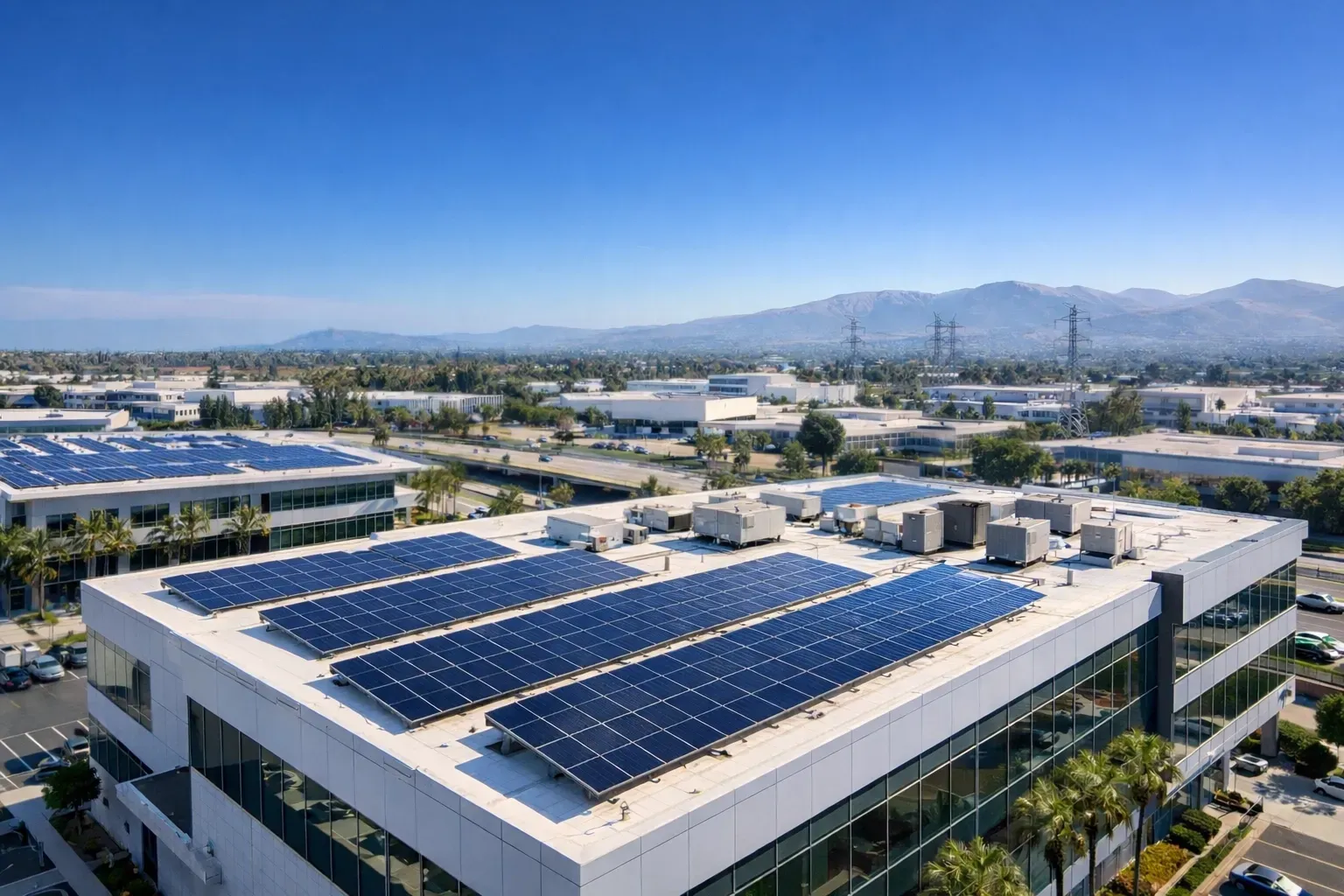
As energy costs continue to climb across California, businesses face an increasingly urgent financial challenge. Utility rates have risen steadily year after year, and there's no indication this trend will reverse. For commercial operations: from warehouses and manufacturing facilities to retail centers and office buildings: electricity often represents one of the largest operating expenses. The question isn't whether rates will increase, but rather how much they'll rise and how your business will respond. The traditional approach of simply absorbing these costs as a necessary expense no longer makes financial sense. Forward-thinking California businesses are taking a different path: investing in commercial solar systems that generate clean, predictable power on-site. This shift represents more than an environmental decision: it's a strategic financial move that protects profit margins, stabilizes operating costs, and provides measurable returns for decades to come.
February 5, 2026
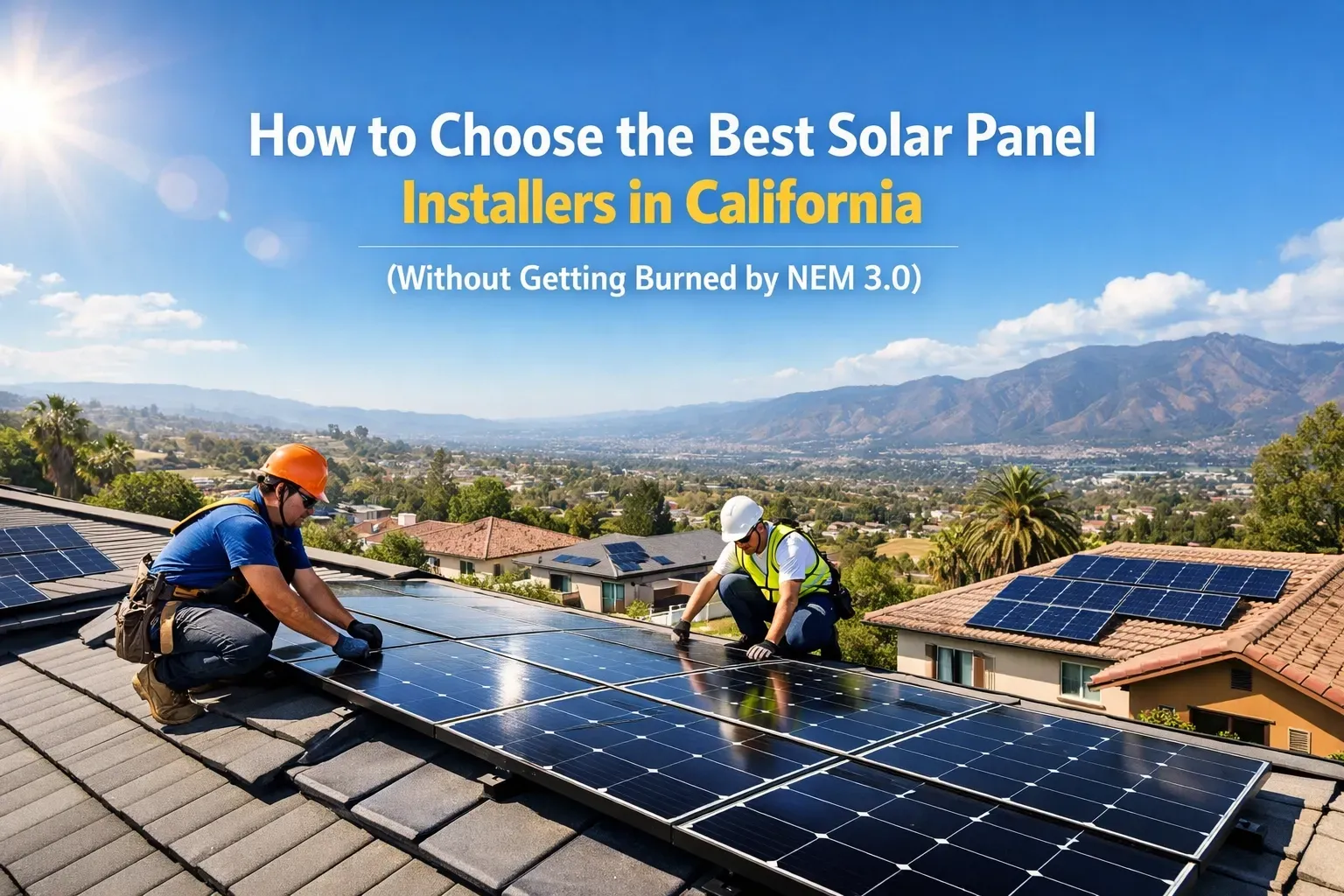
California's solar landscape changed overnight when NEM 3.0 took effect in April 2023. If you're researching solar panel installers in California right now, you're entering a completely different game than homeowners played just a few years ago. The rules shifted, the economics transformed, and unfortunately, not every solar company in CA adjusted their approach to match. Here's the reality: choosing the wrong installer under NEM 3.0 could cost you tens of thousands of dollars over your system's lifetime. The old playbook of "just get the most panels on your roof" doesn't work anymore. You need an installer who understands the new energy economy, prioritizes the right equipment, and designs systems that actually maximize savings in 2026 and beyond. Let's break down exactly what to look for when choosing solar panel installers in California: so you can avoid expensive mistakes and build a system that delivers real value.